Palermo Cooking Classes: What You Cook, How Long It Runs, And What It Costs
A Palermo cooking class usually runs three to five hours and ends with a sit-down meal you cooked yourself. Here is how the formats differ, what each one costs, and how to pick between a market-tour class, a home kitchen and a professional school.
Short answer
Palermo cooking classes run from about $60.95 to $209.04 per person and last roughly 3 to 5 hours. Most teach arancini, fresh pasta such as pasta alla Norma, and cannoli, then end with a shared meal. Small-group home formats cap at 8 to 12 people; the cheapest class, a pizza and gelato session, starts at $60.95.
What Does A Palermo Cooking Class Actually Teach You To Cook?
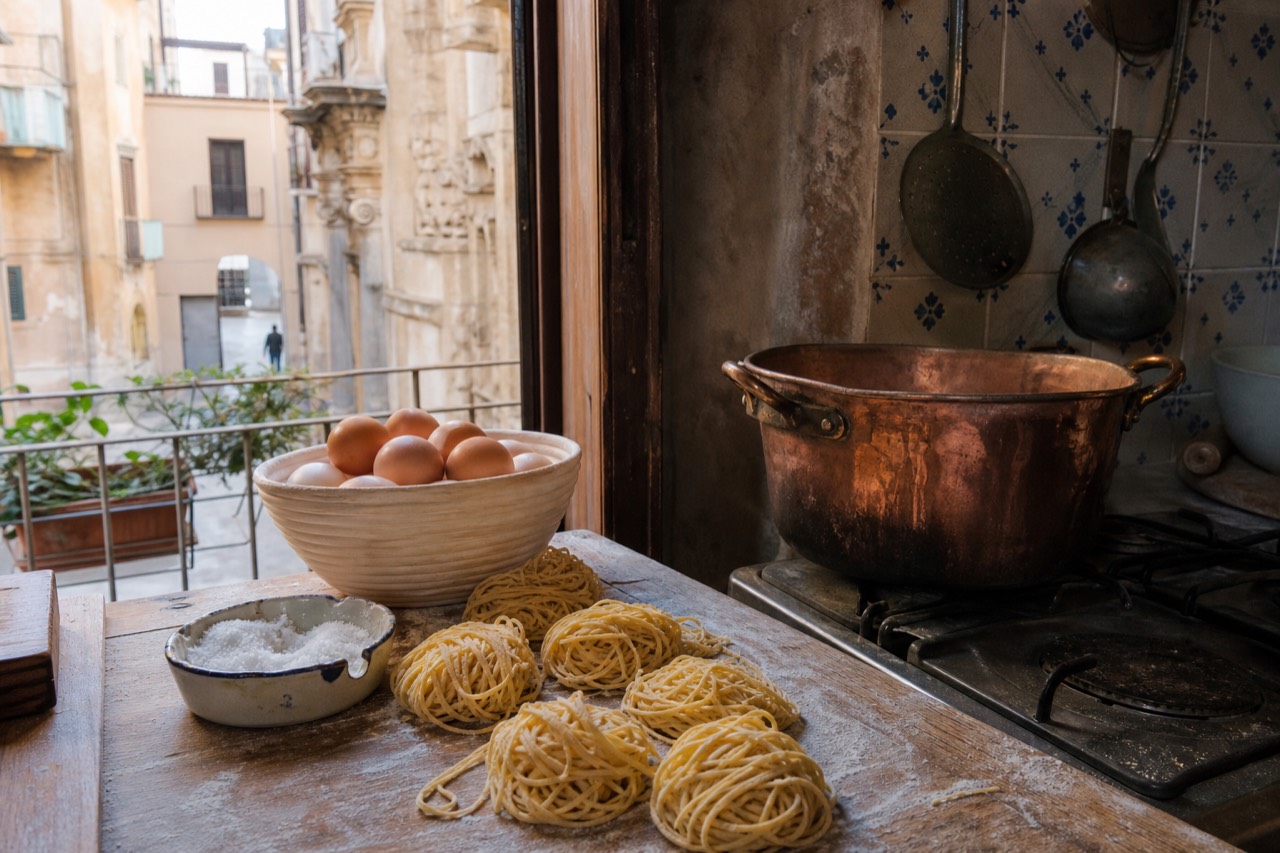
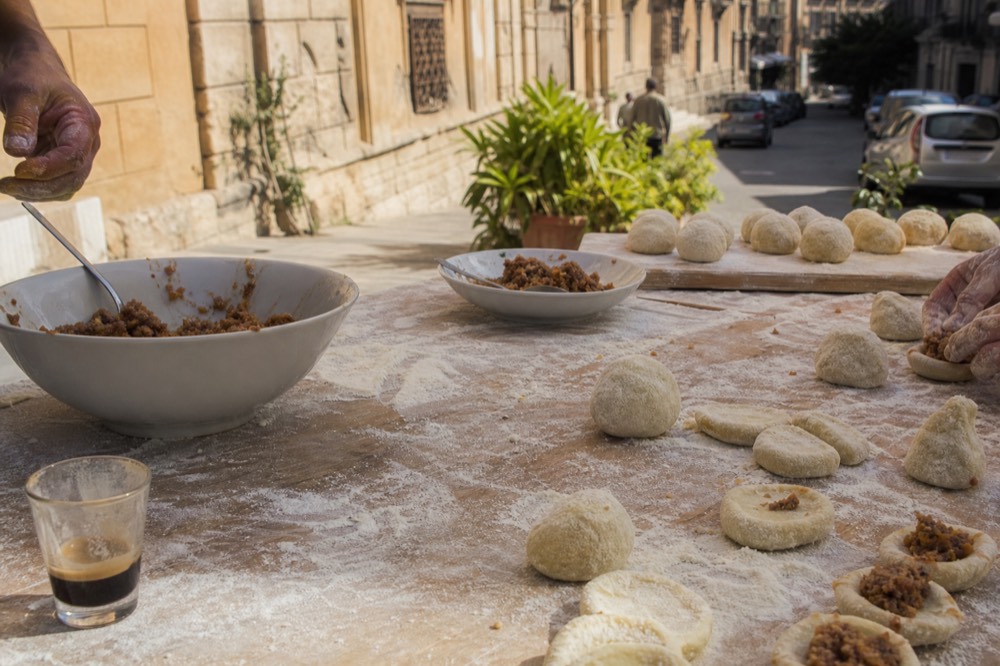
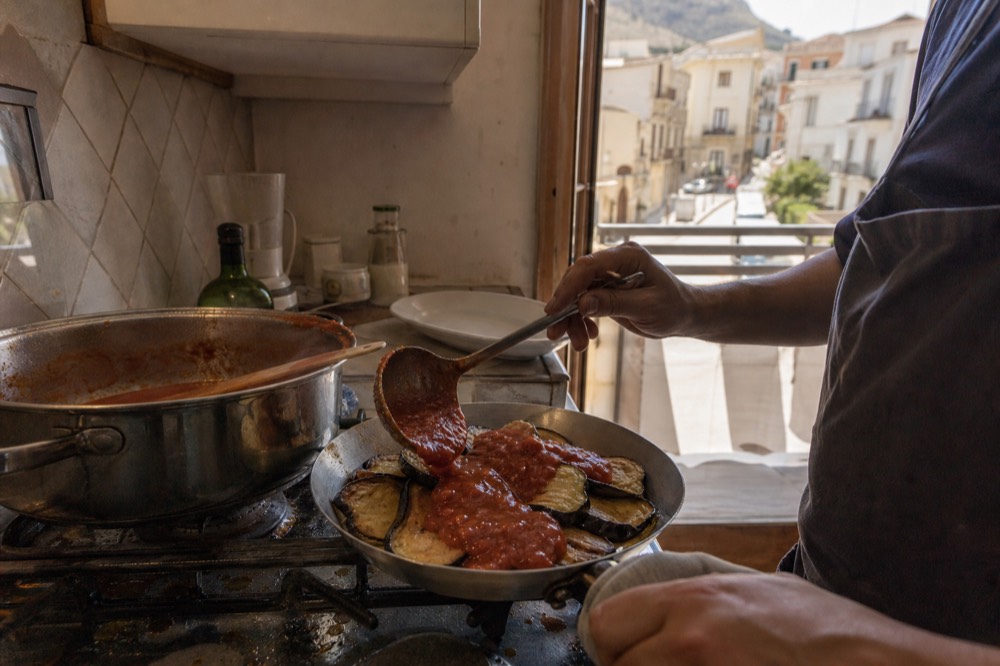
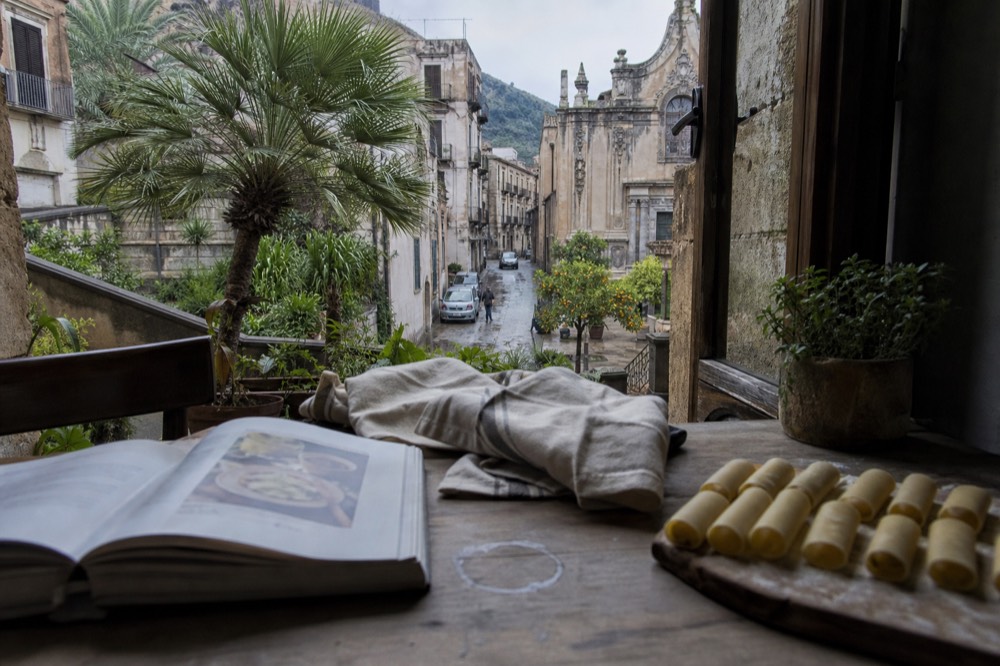
The core Palermo menu taught in most classes is arancini, a fresh pasta dish such as pasta alla Norma, and cannoli, finished with a sit-down meal that includes wine, and the standard session runs hands-on from start to finish. Current listings across the city's cooking experiences name exactly those three dishes as the standard repertoire, with pizza and gelato as the popular alternative format. Some schools add a market visit at the start, where you shop for seasonal ingredients before cooking. The class is hands-on rather than a demonstration: you shape the rice balls, roll and fill the pasta, and assemble the cannoli yourself, then eat what you made at a shared table.
The dishes are not arbitrary. Arancini di riso and cannoli are both on Sicily's official list of traditional food products, the PAT register maintained by the Regione Siciliana, whose technical sheets document the traditional preparations. A class is one of the few places a visitor actually makes them rather than just eating them, and the pasta alla Norma that appears on nearly every menu is the dish instructors use to teach the island's aubergine-and-tomato base.
The pizza and gelato format works differently. The pizza and gelato class run by Towns of Italy skips the market and the Sicilian classics entirely and teaches Neapolitan-style pizza dough plus gelato churning, with dinner and wine included in the three-hour session. It is the most booked cooking product in the city, rated 4.9 across 1,208 reviews, and it often sells out. At from $60.95 per person it is also the cheapest way into a Palermo kitchen.
If Sicilian dishes are the reason you booked, read the class description carefully: some listings titled "Sicilian cooking class" teach the full local repertoire, while the pizza-and-gelato products teach a different tradition altogether. Both are legitimate, but they are not interchangeable.
How Long Does A Palermo Cooking Class Last, And What Does It Cost?
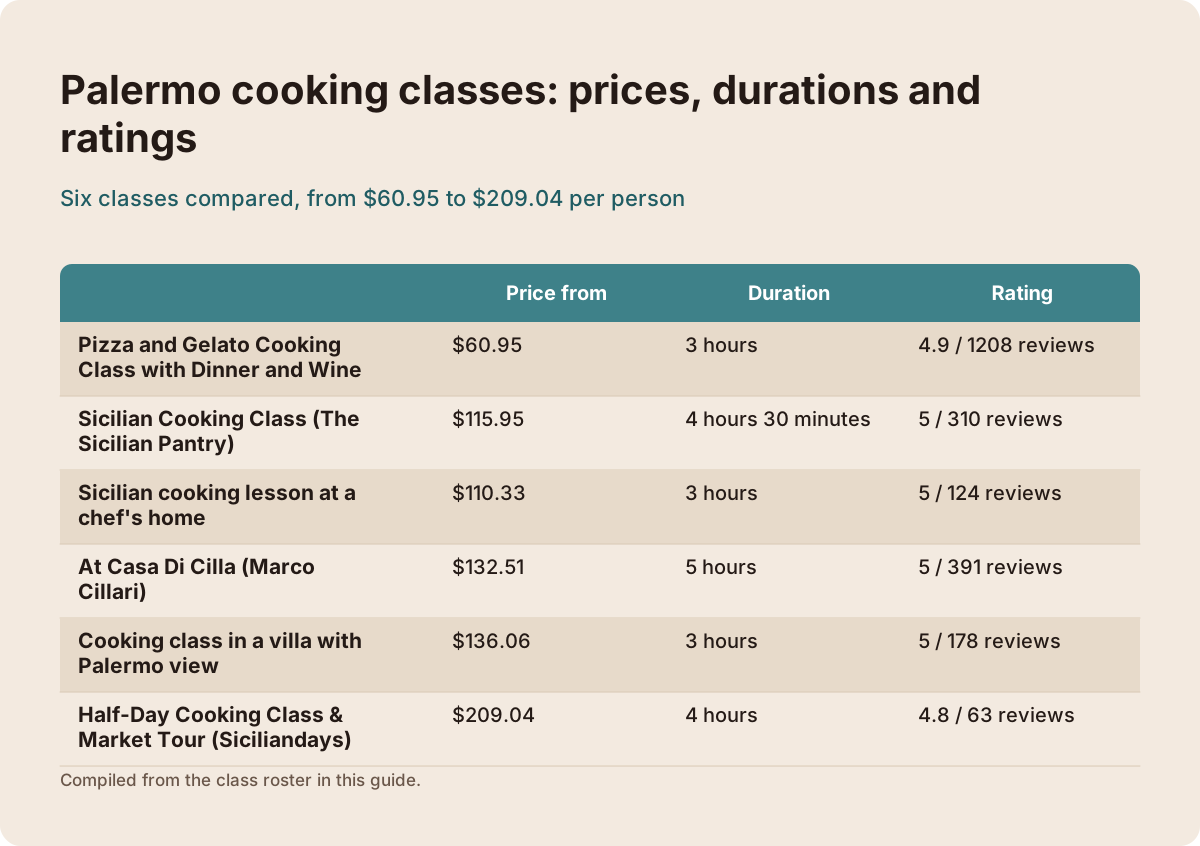
Durations cluster between 3 and 5 hours and prices between $60.95 and $209.04 per person, with the market-tour formats at the longer, pricier end of both scales, and every cooking class on the current roster allows free cancellation up to 24 hours before the start. The cheapest class in the city is the pizza and gelato session at from $60.95 for 3 hours; the most expensive is the Siciliandays half-day cooking class and market tour at from $209.04 for 4 hours. Group sizes vary from 7 to 20 people depending on the operator.
| Class | Operator | Price from | Duration | Rating | Cancellation |
|---|---|---|---|---|---|
| Pizza and Gelato Cooking Class with Dinner and Wine | Towns of Italy | $60.95 | 3 hours | 4.9 / 1208 reviews | Free up to 24h |
| Sicilian Cooking Class | The Sicilian Pantry | $115.95 | 4 hours 30 minutes | 5 / 310 reviews | Free up to 24h |
| Sicilian cooking lesson at a chef's home | Andrea Matranga | $110.33 | 3 hours | 5 / 124 reviews | Free up to 24h |
| At Casa Di Cilla | Marco Cillari | $132.51 | 5 hours | 5 / 391 reviews | Free up to 24h |
| Cooking class in a villa with Palermo view | Carlo | $136.06 | 3 hours | 5 / 178 reviews | Free up to 24h |
| Half-Day Cooking Class & Market Tour | Siciliandays | $209.04 | 4 hours | 4.8 / 63 reviews | Free up to 24h |
The price spread has a logic to it. The pizza and gelato class is a high-volume format with a large kitchen and a simple menu. The mid-priced sessions, between roughly $110.33 and $136.06, are small-group experiences capped at 8 to 12 participants. The Siciliandays class at the top of the range pairs the cooking with a guided market component and a cheese-and-wine element, which is where the extra hours and euros go.
Independent booking platforms list comparable Sicilian classes in the same band: a five-hour market-plus-cooking session in Palermo appears on Cookly at US$87 per person, and a 4.5-hour version at US$146, both including the market tour. That confirms the local range rather than undercutting it.
What's The Difference Between A Market-Tour Class And A Kitchen-Only Class?
A market-tour class begins with a guided walk through a historic market, usually the Capo or Ballaro, where you buy the ingredients before cooking, adding roughly an hour and 20 to 40 dollars to the price, while a kitchen-only class starts straight at the stove and spends the whole session cooking and eating. The Sicilian Pantry's class, for example, includes a visit to a stall near one of Palermo's historical markets before a four-course hands-on meal, and runs about five hours in total with a recipe booklet to take home.
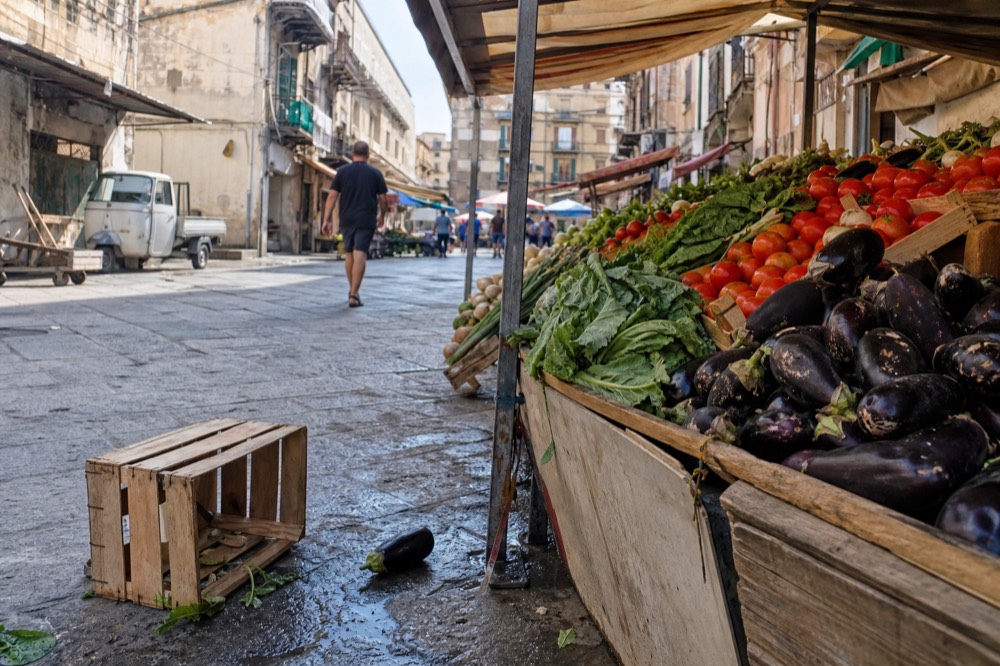
The market component is not decorative. Palermo's historic markets are the living part of its food culture, and the Capo in particular is where the city's street food traditions are still sold daily, as the city's own tourism portal documents. Shopping there with a local instructor teaches you what Sicilian produce actually looks like in season, which is knowledge you cannot get from a supermarket bag waiting in a kitchen.
| Feature | Market-tour class | Kitchen-only class |
|---|---|---|
| Typical duration | 4 to 5 hours | 3 hours |
| Price band | $115.95 to $209.04 | $60.95 to $136.06 |
| Start time | Morning, around 9 or 10am | Morning or afternoon, from 9am to 3:30pm |
| Market visit | Yes, usually Capo or Ballaro | No |
| Dishes | Arancini, pasta, cannoli | Pizza and gelato, or a fixed Sicilian menu |
| Monday note | Market closed Mondays, substitute tastings offered | Runs normally |
One practical wrinkle worth knowing before you book: cooking classes that include a market visit note that the market is closed on Mondays, and those sessions run with substitute tastings instead. If seeing the market at full volume matters to you, book a Tuesday to Saturday date. Our Palermo market tour and cooking class guide breaks this format down further, and the Ballaro market guide covers the market itself.
The kitchen-only class is the right call if your priority is the cooking itself, your time is short, or you are travelling with children who will tolerate a market walk for about ten minutes. The market-tour class is the right call if this is your main food experience of the trip and you want the full arc from stall to table.
Home Kitchen, Chef's Home, Or A Cooking School: Which Format Suits You?
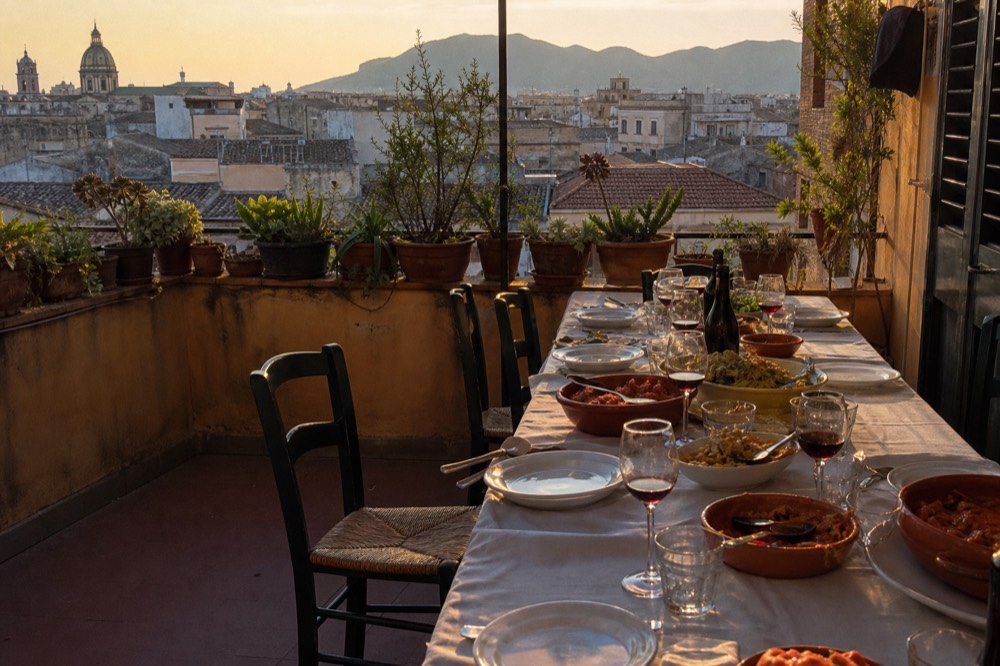
Palermo's cooking classes split into three physical formats: a home kitchen hosting up to 10 guests, a chef's private home table, or a professional school or villa setting with up to 12 to 20 participants, and the differences in intimacy, price and pace are real enough to decide your whole afternoon. The home formats, such as Marco Cillari's Casa Di Cilla at from $132.51 for 5 hours with only 10 spots per departure, and Andrea Matranga's lesson at the home of a well-known local chef at from $110.33, put you in a domestic kitchen with the person whose food you are eating. The school and villa formats have more equipment, more stations and more people.
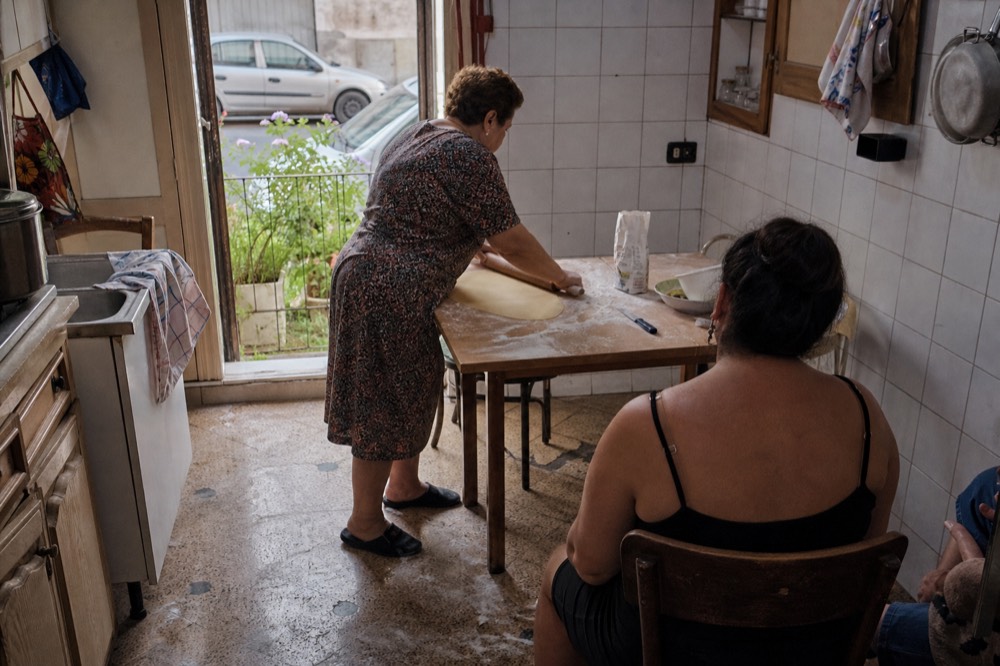
The Sicilian Pantry sits between the two. It is a dedicated cooking operation rather than somebody's house, but it caps each session at 8 participants, the smallest group cap on the roster, and its 5-rating runs across 310 reviews. Recent reviews mention intimate six-person groups and praise the hands-on instruction and the guidance on seasonal produce at the market. At from $115.95 for four and a half hours it is also the cheapest of the small-group Sicilian formats.
At Casa Di Cilla, the trade is time. Five hours is the longest session in the city at from $132.51, and the 10-person cap keeps it conversational; its 5 rating across 391 reviews is one of the deepest review bases among the home formats. If you want a full afternoon that feels like cooking with a family rather than attending a course, this is the profile.
The school formats win on reliability and pace. A professional kitchen absorbs beginners and large groups without slowing down, the villa class run by Carlo adds a Palermo view to the setting, and the chef's-home lesson with Andrea Matranga, which often sells out, delivers a restaurant-trained cook's instincts in a domestic space. None of these formats is objectively better. Match the format to what you want from the evening: technique and comfort, or story and intimacy.
| Format | Typical setting | Group size | Best for |
|---|---|---|---|
| Home kitchen | Family house, domestic stove | 8 to 10 | Story, intimacy, slow pace |
| Chef's home | A working chef's own kitchen | Small | Technique plus personality |
| Cooking school | Professional kitchen, multiple stations | Up to 20 | Beginners, families, groups |
| Villa with view | Hillside property outside the centre | Up to 12 | A special-occasion afternoon |
Is A Palermo Cooking Class Worth The Money Compared With A Food Tour?
A cooking class costs roughly two to four times a street food walk, from $60.95 to $209.04 against $39.83 to $150 for the tours, and the honest trade is breadth for depth: a tour feeds you six to ten dishes across a city, a class teaches you to make three of them. The cheapest guided street food walk in Palermo, Hili srl's 2.5-hour tour, starts at from $39.83 per person, and the most substantial market experiences, such as Culinary Backstreets' 5-hour walk at from $150, overlap the top of the class price range.
The comparison is not really about value for money, because the products do different things. A food tour maximises tasting: you cover markets, friggitorie and squares, and you eat the city's greatest hits without lifting a finger. A class converts the same money into a skill and a meal you built yourself. Travellers who do both usually take the tour first, then the class, so the dishes they learned to make are dishes they already understand.
| Experience type | Price range | Duration | What you get |
|---|---|---|---|
| Street food walk | $39.83 to $89.33 | 2.5 to 3 hours 30 minutes | 5 to 10 tastings, city walking |
| Market and food walk | $68.15 to $150 | 3 to 5 hours | Market immersion, tastings, history |
| Cooking class, no market | $60.95 to $136.06 | 3 hours | Hands-on cooking, meal with wine |
| Cooking class with market tour | $115.95 to $209.04 | 4 to 5 hours | Shopping, cooking, meal, recipes |
If you only have one food experience slot in a short trip and eating widely matters more than learning, a walk is the better buy, and our Palermo street food guide covers those. If you cook at home, travel with children who like making things, or have already done a market walk on a previous visit, the class justifies its price easily: the recipe booklet and the techniques travel home with you.
What Should You Check Before Booking A Palermo Cooking Class?
Before booking, check four things on the live listing: the group cap, the cancellation window, whether the menu suits your diet, and whether the market component runs on your day of the week, because each of these can change the session more than the price difference ever will. Group sizes range from 8 to 20, and the difference between eight people around a home stove and twenty in a school kitchen is the difference between two very different afternoons. Cancellation terms are the sharpest decision axis in the city's food experiences generally: all the cooking classes allow free cancellation up to 24 hours, which is generous, but it also means your plans can change late at low cost.
Dietary fit deserves a real check rather than an assumption. The standard Sicilian class menu is arancini, pasta alla Norma and cannoli, which is heavy on wheat, dairy and fried food, and the classic ragu filling involves meat. Vegetarians are usually well served, since the pasta and cannoli components adapt easily, but if you need a gluten-free or vegan kitchen, message the operator through the live listing before you book rather than assuming the class can flex on the day.
| Check | Why it matters | Where to look |
|---|---|---|
| Group cap | 8 versus 20 people changes the whole session | Listing details |
| Cancellation window | All classes free up to 24h, but confirm on booking | Listing terms |
| Menu and diet | Standard menu is wheat, dairy and meat heavy | Listing description |
| Market day | Market visits close Mondays, substitutes offered | Listing notes |
| Start time | Sessions run from 9am to 3:30pm starts | Booking calendar |
| Included extras | Wine, dinner, recipe booklet vary by operator | Listing inclusions |
One allergen note that applies in any Sicilian kitchen: EU food information rules require allergen information to be available for non-prepacked food, including in restaurants and cooking schools, so you are entitled to ask. For more on the eating side of the equation, our traditional Sicilian food guide explains the dishes you will be cooking.
How Do You Plan The Day Around A Palermo Cooking Class?
Plan around the start time and the season: classes start between 9am and 3:30pm, morning classes with market visits eat into your sightseeing day, and Palermo's summer heat makes a morning or late-afternoon session far more comfortable than a midday one. Current listings show start times of 9am, 10am, 10:30am and afternoon slots around 3:30pm. A 9am market class with a five-hour run finishes mid-afternoon; a 3:30pm class turns into dinner, which suits the Sicilian habit of eating late.
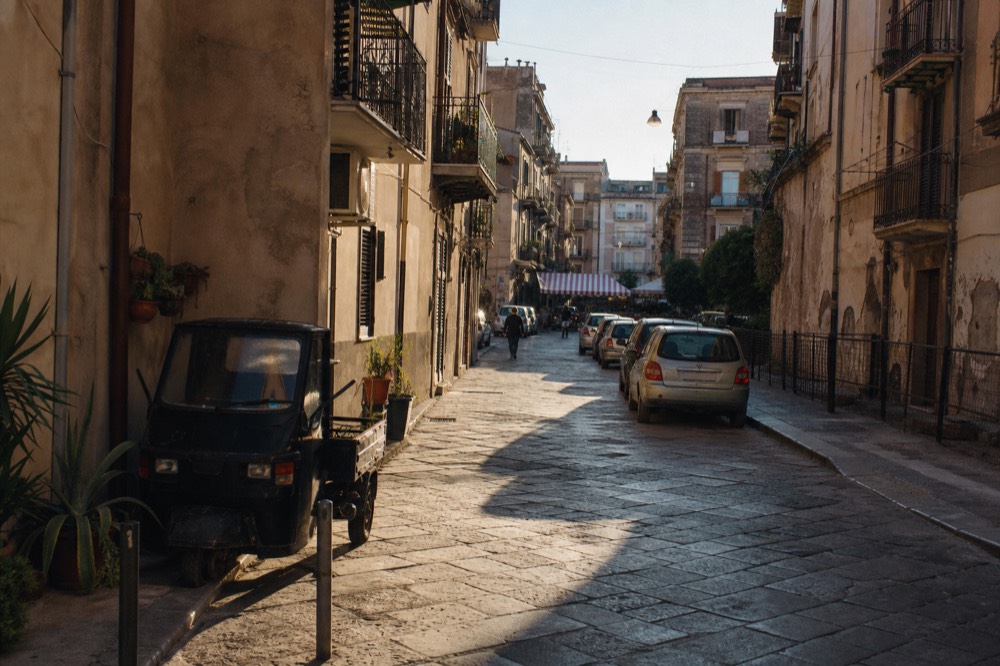
Season matters more than most visitors expect. Palermo's average July high is 29.8 C and August's is 30.5 C, while May sits at a gentler 23.3 C with only about four rain days a month on average, per WMO climatological normals for the city. A four-hour class in a working kitchen in August is a hot proposition; the same class in May, October or the spring shoulder months is a pleasure. In mid-January, with under ten hours of daylight and light gone before 17:15, an afternoon class that ends as dinner works well precisely because the evening has nothing else competing for it.
| Start time | Class type | Session ends | Best season |
|---|---|---|---|
| 9:00am | Market tour plus cooking | Early to mid afternoon | Spring and autumn |
| 10:00am | Market tour plus cooking | Mid to late afternoon | Spring and autumn |
| 10:30am | Kitchen-only | Early afternoon | Any |
| 3:30pm | Kitchen-only, doubles as dinner | Evening | Summer and winter |
Booking timing is the last variable. The pizza and gelato class and the chef's-home lesson are both flagged as often selling out, and the small-group formats cap at 7 to 12 spots per departure, so in July and around the Festino di Santa Rosalia in mid-July, when the city fills up, book the class before you book the restaurant. The 24-hour free cancellation on every cooking class means an early booking carries almost no risk.
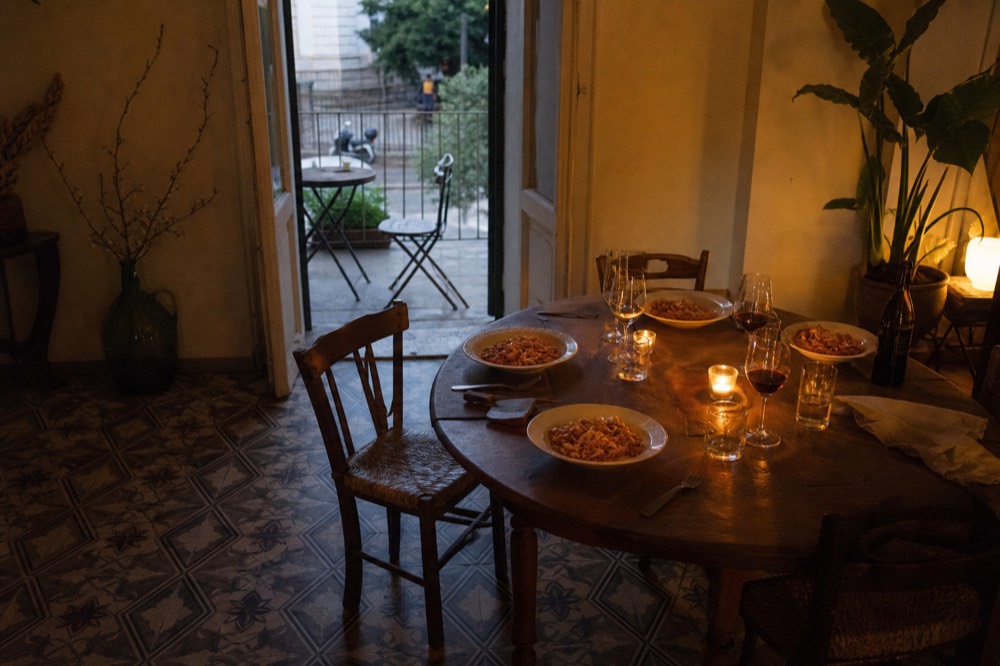
That is also why Palermo Food Tours keeps the class roster side by side with the food walks rather than treating them as rivals. A city that has been trading on its street food reputation since a 2012 Forbes report of a reader survey is a city where the market and the kitchen belong to the same story, and the class is where the story becomes something you can reproduce at home.
Palermo cooking classes cost from $60.95 to $209.04 per person, run 3 to 5 hours, teach arancini, fresh pasta and cannoli, and every one of them allows free cancellation up to 24 hours before the start. The questions below cover the details travellers ask most often, from market visits and Monday closures to how a class compares with a food tour.
Common Questions About Palermo Cooking Classes
How much does a Palermo cooking class cost?
Palermo cooking classes cost from $60.95 per person for the pizza and gelato class up to $209.04 for the half-day cooking class and market tour. Most small-group Sicilian classes sit between $110.33 and $136.06 per person.
How long does a Palermo cooking class last?
Between 3 and 5 hours. The pizza and gelato class, the chef's-home lesson and the villa class run 3 hours; The Sicilian Pantry runs 4 hours 30 minutes; Casa Di Cilla runs 5 hours; the Siciliandays half-day class runs 4 hours.
What dishes do you cook in a Sicilian cooking class?
The standard menu is arancini, a fresh pasta dish such as pasta alla Norma, and cannoli, followed by a sit-down meal with wine. Pizza-and-gelato classes teach pizza dough and gelato instead of the Sicilian classics.
Do Palermo cooking classes include a market visit?
Some do. The Sicilian Pantry class includes a visit to a stall near one of Palermo's historical markets, and the Siciliandays half-day class includes a full market tour. Note that market visits do not run normally on Mondays, when the market is closed and substitute tastings are offered.
Can you cancel a Palermo cooking class?
Yes. Every cooking class on the current roster offers free cancellation up to 24 hours before the start, so you can book early and adjust your plans later at no cost.
Is a cooking class or a food tour better in Palermo?
A food tour covers more ground and more dishes for less money, from $39.83 per person. A cooking class teaches you to make three Sicilian dishes and includes a full meal with wine. Many travellers do the tour first, then the class.