How Many Days In Palermo Is Enough?
How many days do you really need to eat your way through Palermo? We break down the ideal trip length, from a quick weekend to a full week, with honest advice on markets, food tours, and day trips.
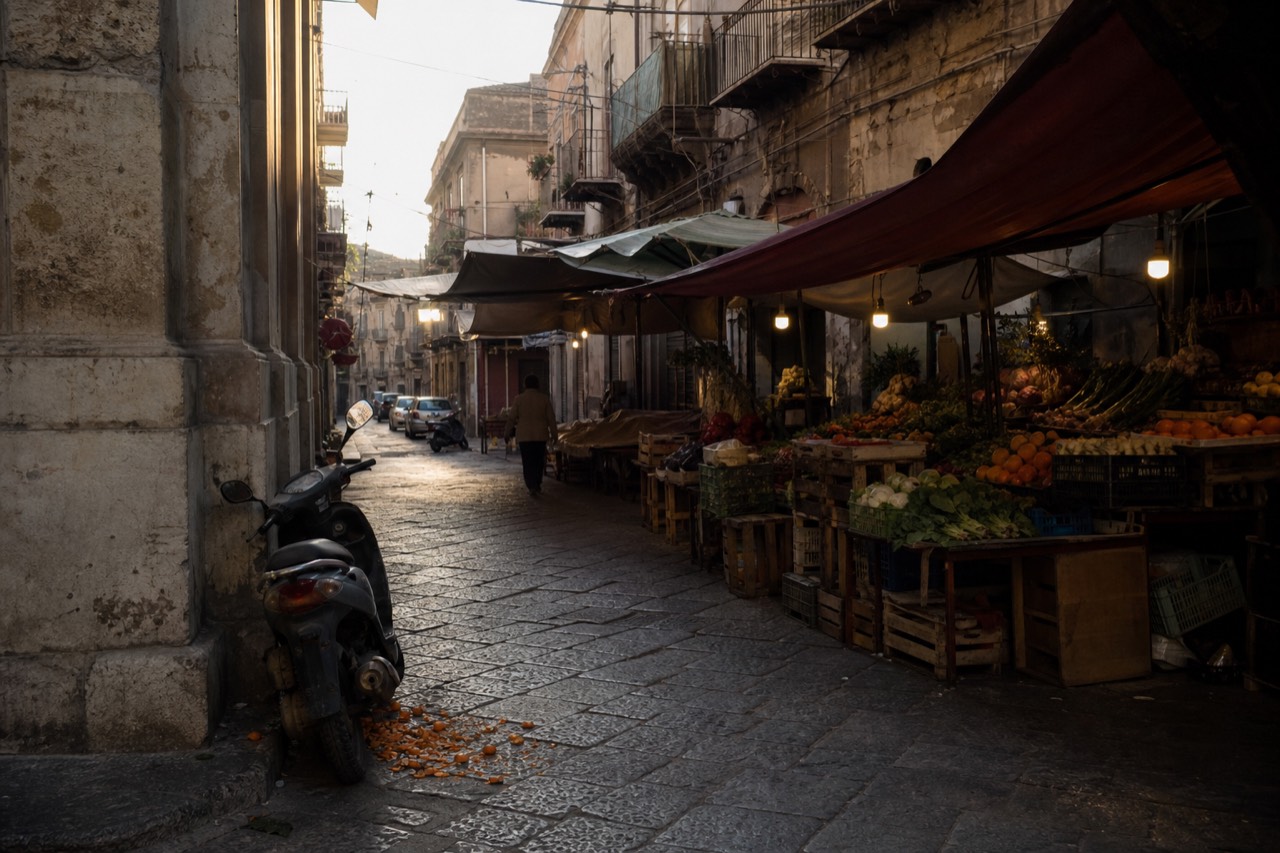
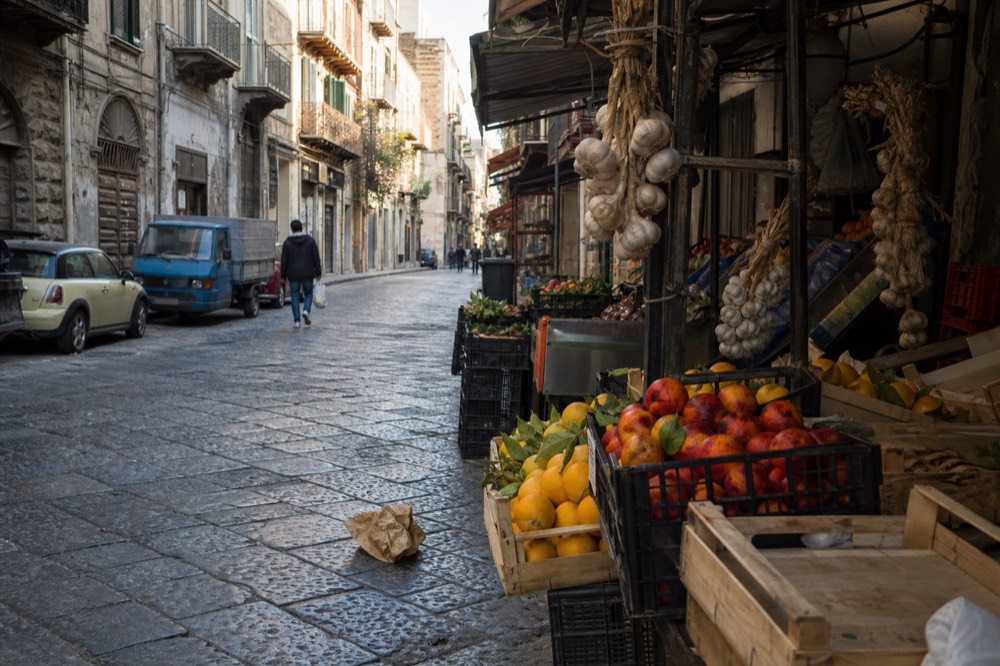
Palermo is not a city you breeze through. Its historic centre is a dense knot of Arab-Norman churches, baroque oratories, and four living markets where the shouted sales cry, the abbanniata, still fills the air. The food alone, arancine, panelle, sfincione, cannoli, granite, could occupy every waking hour. So when a first-time visitor asks how many days to spend, the honest answer from Palermo Food Tours is that three full days is the minimum that feels like a visit rather than a sprint. Two days can work if you are disciplined and book a well-chosen food tour to compress the eating. One day is only for cruise passengers who accept they are sampling, not seeing.
How Many Days In Palermo Is Enough?
Three full days is the sweet spot for most visitors. You can explore the historic markets, take a street food walk, visit the cathedral and the mosaics at Monreale, and still have an evening for a wine tasting or a night food tour. Two days lets you hit the highlights; four or five adds a cooking class or a day trip to Cefalù.
That answer holds for the traveller who wants to eat well while seeing the main sights. Palermo is compact and walkable, and the four historic markets, Ballarò, Capo, Vucciria and Borgo Vecchio, sit within a 20-minute radius of the Quattro Canti. A morning market walk, a sit-down lunch, an afternoon at the Palazzo dei Normanni, and an evening of street food is a full and rewarding day. Do that twice, add a half-day trip to Monreale, and you have the outline of a three-day stay. For a deeper dive into the city's edible landscape, our guide to Palermo's street food walks you through every staple.
The risk of a shorter trip is that you spend it in transit. Palermo’s Falcone Borsellino airport handled 9.2 million passengers in 2025, a record, and the train from the airport to Palermo Centrale takes roughly an hour. If you arrive at noon and leave the next afternoon, you have one evening and one morning. That is enough for a single street food walk and a quick market visit, but it leaves no room for the Cappella Palatina, the cathedral rooftop, or a proper cannolo at a pasticceria that fills to order.
The three tours below slot neatly into any itinerary, whether you have one day or five.
What You Can See And Eat In One Or Two Days
A one-day visit can cover a street food walk and one major monument. Two days adds a second market, the cathedral, and an evening food tour. You will miss Monreale and any sit-down restaurant meal beyond a quick lunch, but you will leave with a strong sense of the city’s flavours and a clear idea of what to come back for.
If you have only a single full day, start early at Ballarò market, which the city’s own tourism portal calls the oldest and largest in Palermo. The market opens at 7:30 Monday to Saturday and runs until 20:00, with Sunday mornings only. Walk the length of it from Piazza Casa Professa to the bastions of Corso Tukory, then cut across to the Capo market along Via Carini for a pane con le panelle and a sfincione slice. By midday you will have covered two of the four historic markets and eaten three or four street foods. The Ballarò market guide explains what to look for at each stall.
The afternoon is for the Palazzo dei Normanni and the Cappella Palatina, but check the opening days before you go. The chapel closes Tuesdays and Wednesdays because of Sicilian Regional Parliament sessions, and unannounced closures happen. If it is shut, the cathedral and its rooftop, open daily, give you a different view of the city.
With two days, you can split the markets across two mornings and add a proper evening food tour. The Palermo Street Food Walking Tour with Local Guide & Tasting is the most affordable way to do that. It runs 2.5 hours, covers five tastings plus a cannolo and a drink, and the guide leads you through the Capo market and the historic centre so you do not waste time finding the best stalls. It often sells out, so booking ahead matters.
The Three-Day Palermo Food Itinerary
Three days gives you a morning market walk each day, one guided food tour, the Arab-Norman cathedral and Monreale, and an evening of wine or night street food. It is the shortest stay that feels unhurried and leaves you with a genuine understanding of how the city eats, from the friggitorie to the pasticcerie.
The table below is a realistic three-day plan built around food, not a checklist of every church. It assumes you are staying in the centro storico, walking everywhere, and eating as you go. For a broader look at the markets themselves, see our guide to Palermo's historic markets.
| Day | Morning | Afternoon | Evening |
|---|---|---|---|
| 1 | Ballarò market (7:30–10:00), arancina and granita at a stall | Capo market walk, Palazzo dei Normanni and Cappella Palatina (check open days) | Guided street food walk, then a drink in the Vucciria |
| 2 | Borgo Vecchio market (morning only), sfincione bianco if available | Cathedral and rooftop, Quattro Canti, a sit-down lunch at a trattoria | Wine tasting at Bottega Monteleone or 26mq Urban Winery |
| 3 | Morning train or bus to Monreale, mosaics in the Duomo | Return to Palermo, visit the Orto Botanico or Palazzo Butera | Night street food tour through the old centre |
Day one is about orientation and the two largest markets. Day two shifts to the Borgo Vecchio, the only market with a firm founding date (1556, when the Senate of Palermo bought the tonnara di S. Giorgio and fishermen settled the area). In the evening, a two-hour wine tasting with Sicilian tapas at a place like Bottega Monteleone, from $51.1 per person, is a cooler, seated alternative to another street food walk. Day three clears the morning for Monreale, whose mosaics are a UNESCO World Heritage site alongside the Palermo cathedral, and leaves the evening for a night street food tour that covers the stalls you missed.
The best way to kick off day one is with a guided street food walk. It gives you the lay of the land and a full stomach before you tackle the sights.
What A Week In Palermo Looks Like
A full week lets you slow down, add a cooking class, take a day trip to Cefalù or the salt pans, and revisit a market or a favourite friggitoria without rushing. It also gives you the flexibility to work around Palermo’s quirks, like the Tuesday-Wednesday closure of the Cappella Palatina, and to eat at a sit-down restaurant more than once.
With five to seven days, you can build the three-day itinerary above and then add layers. A morning cooking class that includes a market tour, like the Pizza and Gelato Cooking Class with Dinner and Wine, fills half a day and teaches you to make two things you will eat all week. The class runs three hours, costs from $60.95 per person, and often sells out. It is a good mid-trip activity when you want a break from walking. If you are curious about other hands-on experiences, our cooking class guide compares the best options.
A day trip to Cefalù, about an hour by train, gives you a Norman cathedral on a smaller scale, a long sandy beach, and a seafood lunch. Another day could go west to the salt pans of Marsala and the hill town of Erice, though that works better with a car or a guided tour. If you stay in Palermo, use the extra days to explore the Kalsa district, visit the Guttuso painting La Vucciria at the Steri, or walk to the Ciaculli late mandarin groves, a Slow Food Presidium, in season from January to March. The day trips from Palermo page lays out the best excursions for food lovers.
A week also means you can eat at a sit-down restaurant more than once. A full meal with a primo, a secondo and a drink in a trattoria runs roughly $20 to $25, plus a coperto of $1.50 to $3 per person. The coperto is legal in Italy, must be clearly stated on the menu, and is charged to everyone, not only tourists. For a curated list of places where locals actually eat, see our guide to where locals eat in Palermo.
Day Trips That Are Worth Stealing A Day For
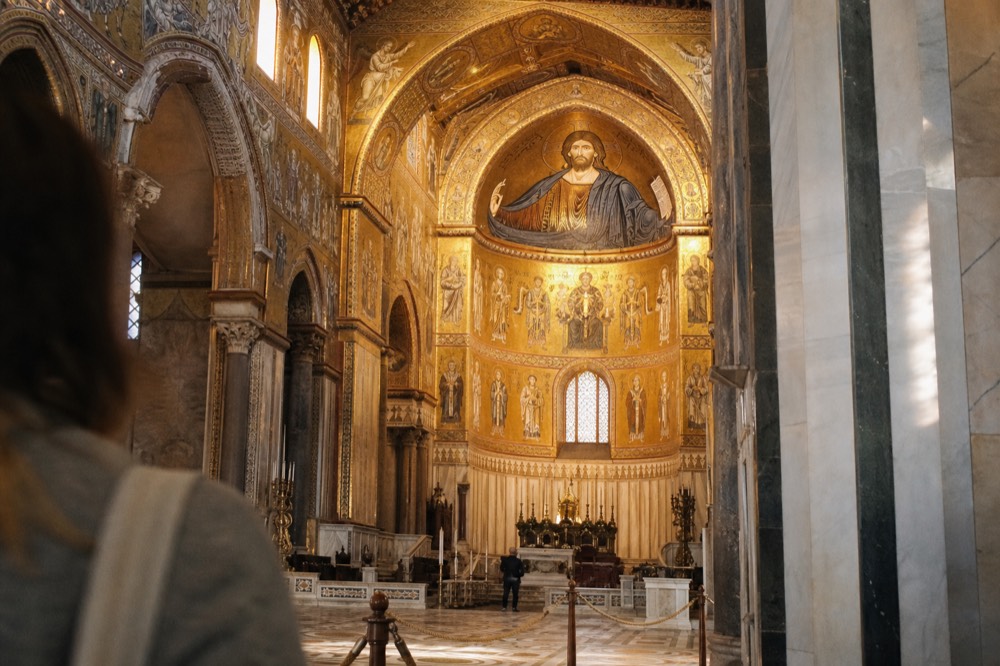
Monreale is non-negotiable for its vast gold mosaics and carved cloister. Cefalù gives you a beach and a Norman cathedral in one morning. The Erice and Marsala salt pans tour is a full-day commitment that rewards you with sweeping views, medieval streets, and a wine tasting among the windmills.
Monreale’s Duomo is a 30-minute bus ride from Piazza Indipendenza. The interior is covered in a continuous narrative of gold and coloured glass, one of the largest mosaic cycles in Italy. The cloister, with its forest of carved columns, is worth the entry fee on its own. Go in the morning when the light through the apse windows is strongest.
Cefalù is a 50-minute train ride along the coast. The town is small enough to see in a few hours: the cathedral, the Mandralisca museum, a swim at the long beach below the old town, and lunch at a trattoria. Trains run roughly hourly, and the return trip is easy to do in half a day.
The Erice and Marsala salt pans tour, a nine-hour guided day from $131.7 per person, combines the medieval hill town of Erice with the windmill-dotted salt flats of Marsala and a wine tasting. It often sells out in summer, so book it before you arrive.
Practical Tips For Planning Your Days
Palermo rewards early starts, flexible afternoons, and a willingness to eat standing up. The climate is mild from April to June and September to October, July is almost rainless but hot, and a car in the historic centre is a liability. The ZTL keeps the centre walkable, and the tourist tax adds a small nightly cost.
The table below shows the WMO climatological normals for Palermo. Use it to pick your season.
| Month | Mean daily max (°C) | Mean daily min (°C) | Mean precipitation (mm) | Mean rain days |
|---|---|---|---|---|
| January | 14.7 | 8.9 | 97.5 | 9.0 |
| February | 14.5 | 8.5 | 109.9 | 9.6 |
| March | 16.4 | 9.6 | 78.2 | 8.7 |
| April | 18.7 | 11.4 | 65.1 | 8.6 |
| May | 23.3 | 15.3 | 36.2 | 4.1 |
| June | 27.2 | 19.2 | 17.9 | 1.9 |
| July | 29.8 | 21.7 | 6.7 | 1.2 |
| August | 30.5 | 22.7 | 31.8 | 2.4 |
| September | 27.5 | 20.1 | 65.3 | 5.4 |
| October | 23.5 | 16.7 | 105.6 | 8.2 |
| November | 19.0 | 12.9 | 117.5 | 10.4 |
| December | 15.8 | 10.2 | 123.7 | 12.0 |
May, June and September are the walking-tour sweet spots, with daytime highs in the low to mid-20s and few rain days. July is the driest month, averaging 1.2 rain days, but the daytime high averages 29.8°C and the Festino di Santa Rosalia, on 14 and 15 July, closes much of the historic centre for processions. August is the hottest month, with a mean daily maximum of 30.5°C, and many locals leave the city.
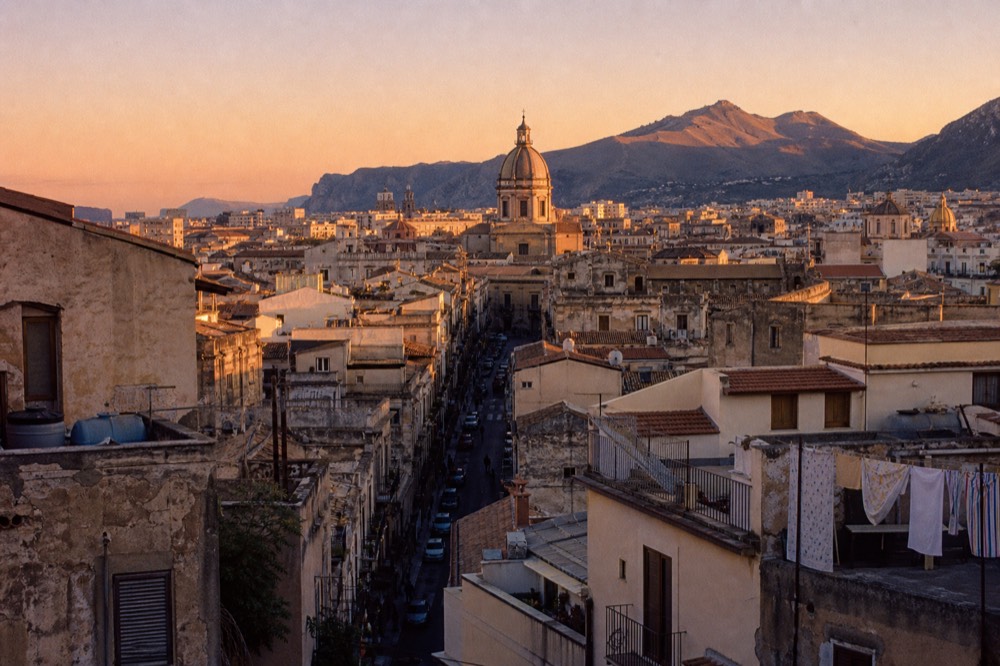
A car is more trouble than it is worth inside the ZTL. The historic centre is walkable, and the train to Cefalù or the bus to Monreale is simpler than parking. The tourist tax, in force since July 2025, adds €4 per person per night for B&Bs and short-term rentals, up to a maximum of four consecutive nights. Hotels pay €3 to €5 depending on the star rating.
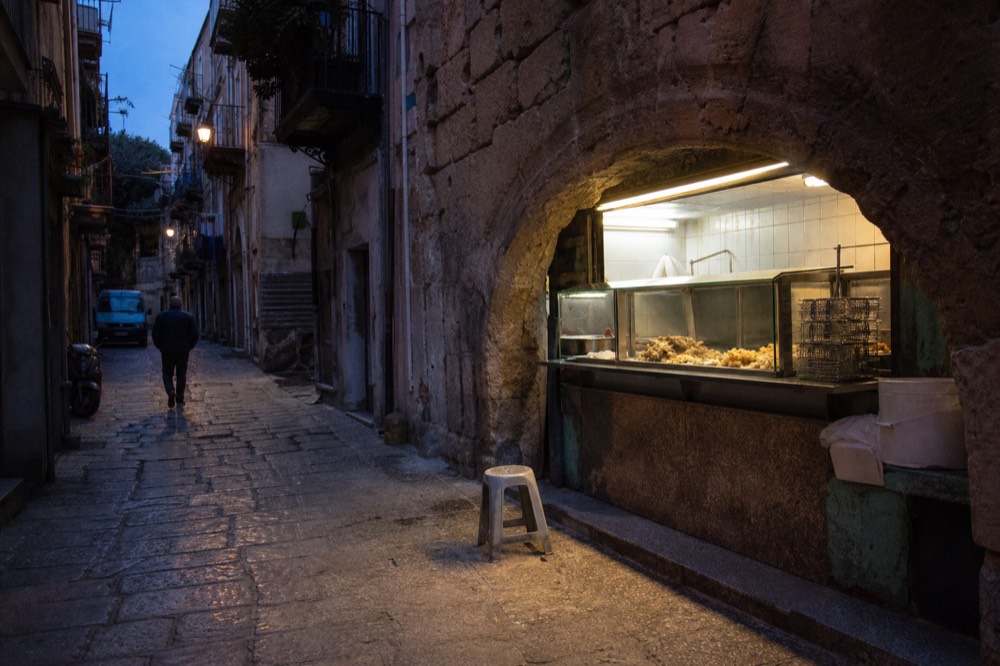
If you are still planning, these three tours cover the essentials for any trip length.
Common Questions About How Many Days In Palermo
Is 2 days enough for Palermo?
Two days is enough to see the main markets, take a street food walk, and visit the cathedral and the Palazzo dei Normanni. You will miss Monreale and any day trip, and you will eat most meals standing up, but it is a solid introduction.
Can I see Palermo in a day?
A single day works only if you arrive early and book a compact guided food tour. Focus on the Ballarò and Capo markets, the Quattro Canti, and the cathedral rooftop. The Cappella Palatina is closed Tuesdays and Wednesdays, so check the day before committing.
What is the best month to visit Palermo?
May, June and September offer warm days, low rainfall, and fewer crowds than July and August. July is almost rainless but hot, and the Festino di Santa Rosalia on 14 and 15 July closes much of the historic centre for processions.
Do I need a car in Palermo?
No. The historic centre is a ZTL, a limited traffic zone, active during the day on weekdays and at night on weekends. Walking is the best way to get around, and trains or buses cover day trips to Cefalù and Monreale.
Is Palermo walkable?
Yes. The four historic markets, the cathedral, the Palazzo dei Normanni, and most food tour meeting points sit within a 20-minute walk of the Quattro Canti. Comfortable shoes and an early start are all you need.
What should I not miss in Palermo?
Do not miss the Ballarò market in the morning, a street food walk that covers the Capo and Vucciria, the mosaics at Monreale, and at least one cannolo filled to order. The Palazzo dei Normanni and the Cappella Palatina are essential, but check opening days before you go.