Vucciria Market Palermo: What To Expect From The City's Most Famous Market
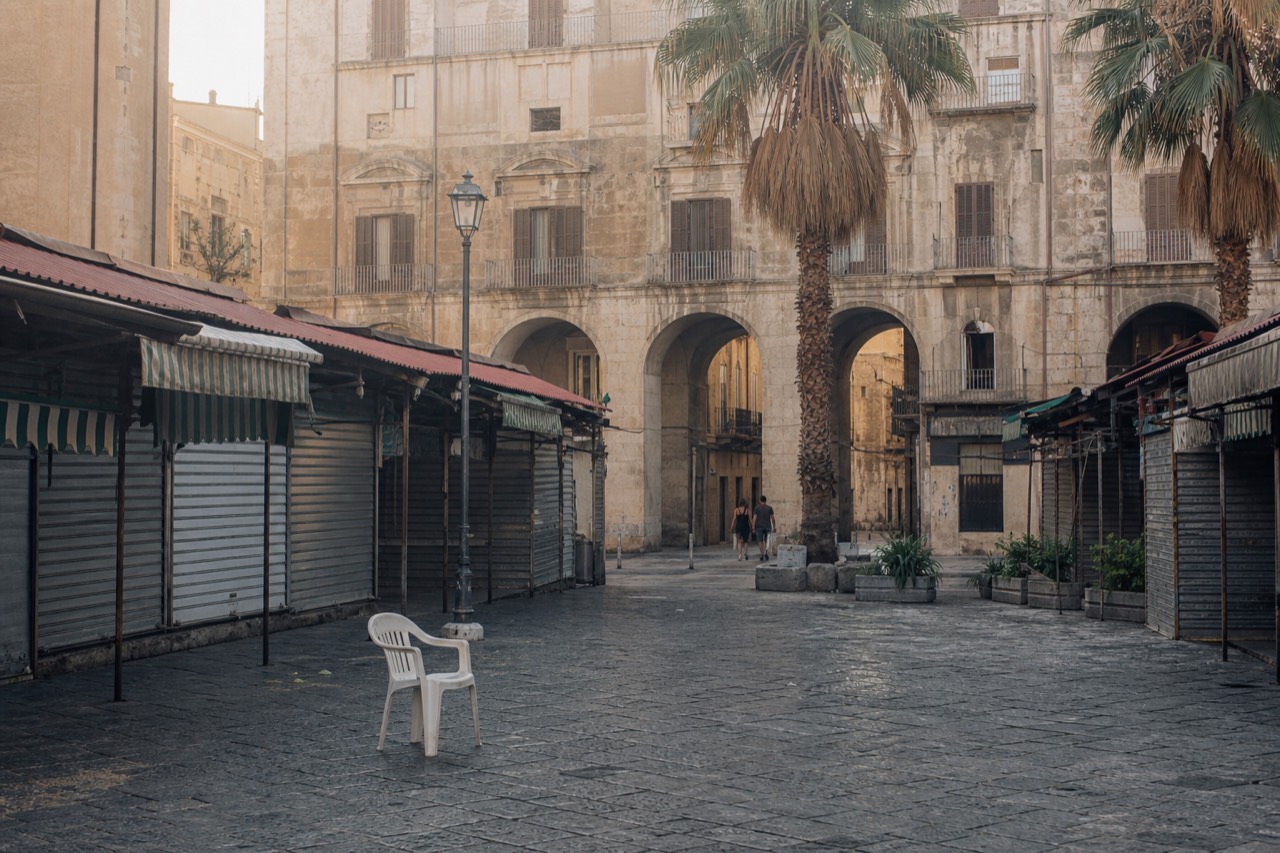
The Vucciria is the only Palermo market that is genuinely two different places in one day: a thin, quiet remnant of a food market in the morning, and a loud open-air square for drinking and grilled street food at night. Knowing which one you are walking into decides whether you leave disappointed or delighted.
Short answer
The Vucciria market in Palermo runs along via Argenteria to piazza Garraffello, around piazza Caracciolo. By day it is a much-reduced morning market; by night it becomes the city's best-known street-drinking and street-food square. Free to enter, best reached on foot, and a 10-minute walk from the Quattro Canti.
What Is The Vucciria Market In Palermo?
The Vucciria is one of Palermo's four historic markets, stretching along via Argenteria as far as piazza Garraffello and centred on piazza Caracciolo, and it is the one whose reputation has travelled furthest beyond the island, thanks to a famous painting and a century of guidebook mentions. Anciently called the Bucceria grande to distinguish it from lesser markets, it was once the most important food market of old Palermo, and the name itself comes from the French boucherie, butcher's shop, because it began as a meat market. The viceroy Caracciolo gave the piazza its orderly, porticoed arrangement in 1783, complete with a fountain of four small lions around an obelisk. Today the porticoes and the name survive, but what happens inside them depends almost entirely on the hour you arrive.
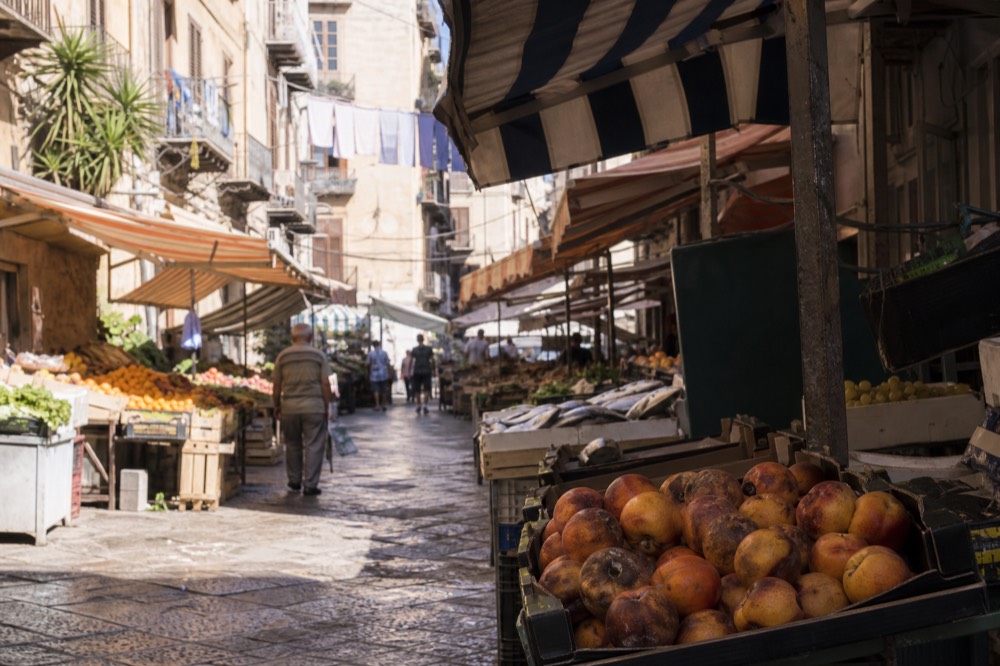
The Comune di Palermo's tourism portal still describes a market open every day, morning and afternoon, selling meat, vegetables and fish, and you can read that official description on the Comune's own Vucciria page. Independent reporting tells a more complicated story, and honest visitors should hold both in their heads at once. The Vucciria of the postcards, the fish stalls and the hanging provola, is largely a memory. The Vucciria of tonight, teenagers on the steps with a beer and a plate of grilled meat, is very much alive.
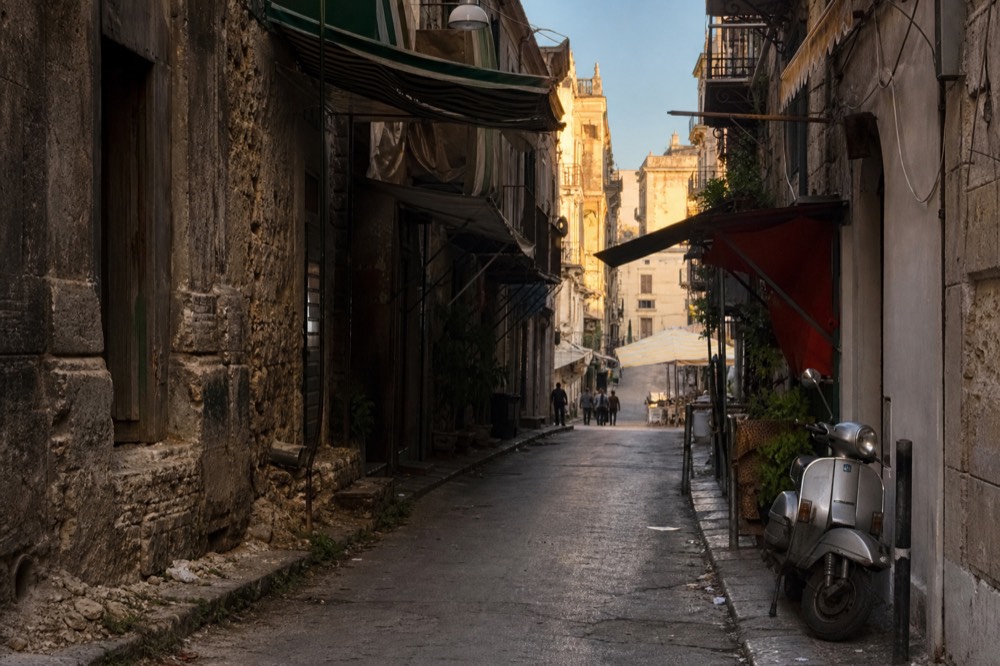
Two things make it worth your time anyway. First, the setting: the quarter was redesigned when via Roma was cut through in the early 20th century, and what remains is a tight lattice of alleys around a baroque piazza that feels older than anything around it. Second, the transformation. No other Palermo market changes character so completely between eleven in the morning and eleven at night, and understanding that split is the single most useful thing a visitor can know before going.
For the wider picture of all four markets, see our guide to Palermo's historic markets, and for the two markets that still trade hardest in the morning, our pages on Ballarò market and the Capo market.
Why Does The Vucciria Look Nothing Like The Famous Paintings?
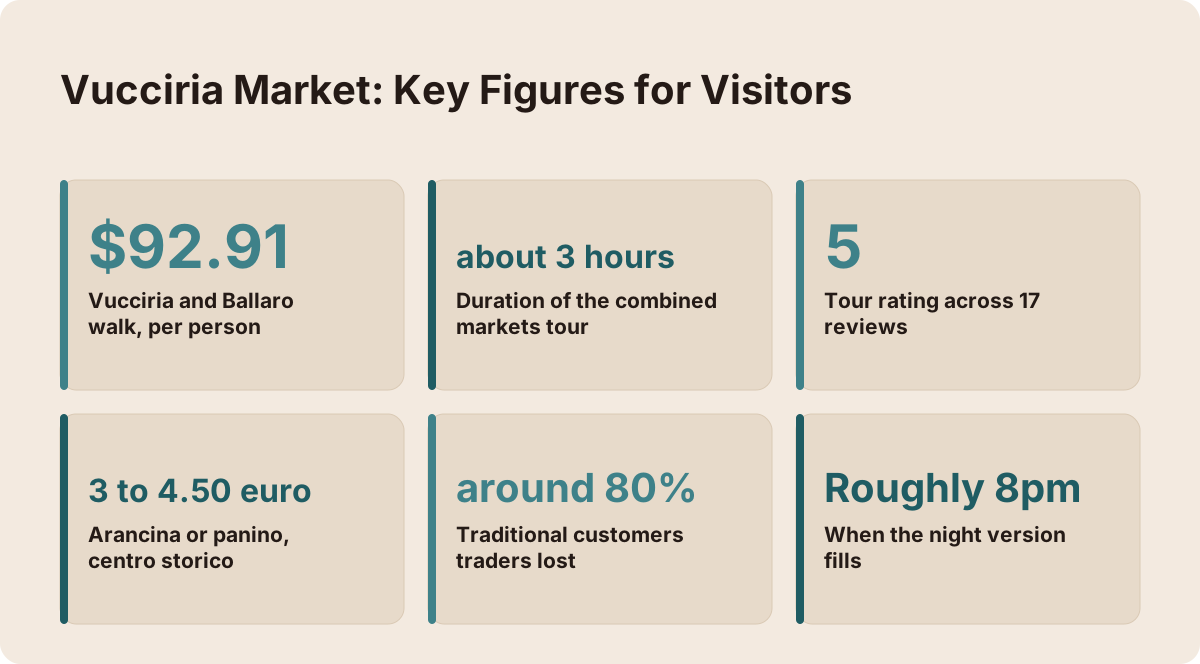
Because the daytime food market has largely gone, and the reporting on this is consistent: PalermoToday's March 2025 dossier called the Vucciria "ormai scomparsa", effectively vanished as a market, with the Capo emptying slowly and Ballarò visibly transforming, while traders quoted in the piece said they had lost around 80% of their traditional customers. The dossier attributes the decline to the ZTL, the disappearance of parking and the lack of services, and describes street food for tourists replacing the old bancarelle. That 80% figure is a claim by the traders interviewed, not a measurement, but the direction of travel is not in dispute.
The mechanics are visible on the ground. The historic centre depopulated as residents moved out, and the customers who used to buy the week's fish and vegetables at the Vucciria stopped coming. What replaced them, gradually and then suddenly, was an evening crowd. The Comune di Palermo itself now manages that shift formally: a pedestrian area covering the Mercato Storico della Vucciria, including piazza Caracciolo, was established by Ordinanza n. 803 of 18 June 2025 and extended by Ordinanza n. 1 of 13 January 2026, in force to 31 December 2026. Access is limited to residents, loading between 6 and 8am, taxis and emergencies. A market square that needs a pedestrian ordinance to manage its nightlife is telling you what it has become.
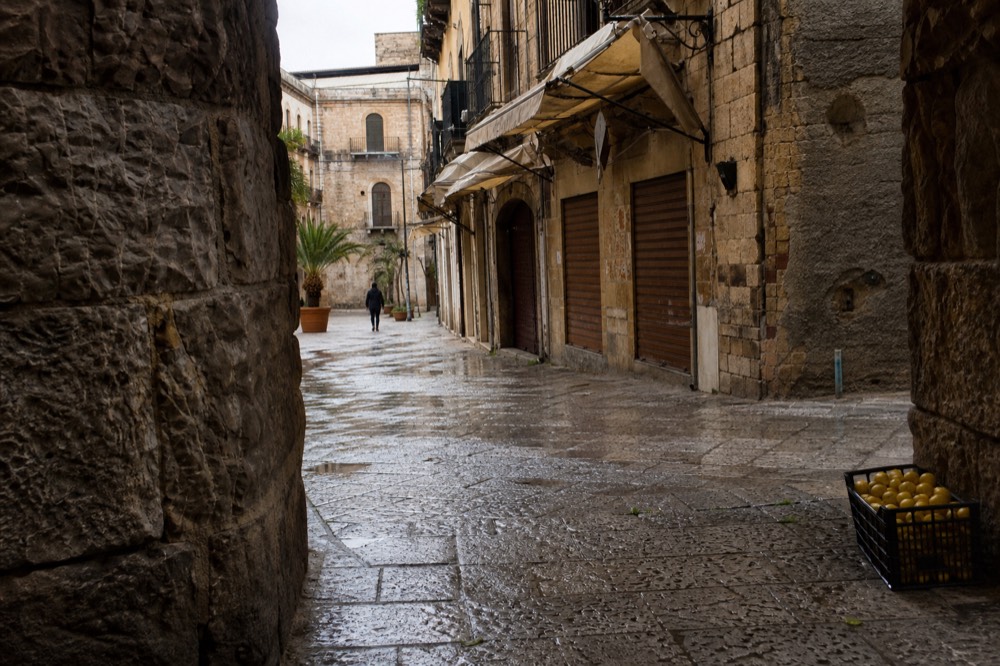
This matters for planning. Visitors who arrive at 2pm expecting the market of Guttuso's canvas, or of a guidebook printed fifteen years ago, routinely leave disappointed; a tourist thread from September 2025 on the city describes the markets as "fairly touristy these days" and rates the Capo the best of the three central ones for food. Visitors who arrive at 9pm expecting a party almost always find it. Both groups are in the same square.
A guided walk helps most in exactly this situation, because a guide can show you what is still real before the evening takes over.
Vucciria By Day Or By Night: Which One Should You Visit?
Go in the morning if you want to see what survives of the market itself and photograph the square empty; go after dark if you want the food-and-drink scene, because by day the Vucciria is a quiet, partly shuttered remnant, while at night it becomes Palermo's most concentrated strip of open-air grills, bars and standing crowds, loud well past midnight on weekends. The two experiences share nothing but the geography, and the choice is really a choice between two different outings.
The daytime version rewards low expectations and early hours. A few stalls still trade in and around the alleys off piazza Caracciolo in the morning; the architecture, the porticoes and the 1783 piazza are at their best in low light before the crowds; and the whole loop takes under an hour on foot. Recent first-hand reports are blunt about the rest: one return visitor describes the Vucciria as crowded, dirty and loud until around 4am on weekends, and recommends basing yourself near the Teatro Massimo or Politeama and visiting on an evening instead. Another long-running local complaint is that eating inside the touristy market stalls themselves can mean reheated food at tourist prices, with locals steering visitors to established friggitorie elsewhere in the centre.
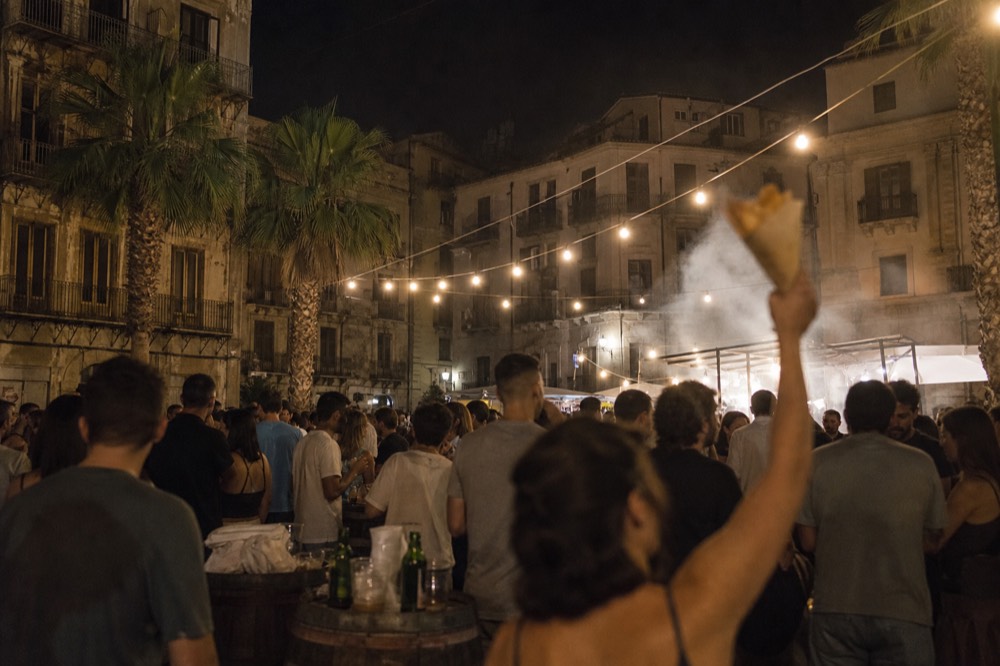
The night version is the one that has earned the Vucciria its current reputation. From roughly 8pm the square and the streets running off it fill: bars that are barely noticeable by day open their shutters, grill carts set up, and the whole area becomes a standing room without walls. It is not a food market at night. It is a street party with food attached, and it is the closest thing Palermo has to a default answer to "where does everyone go out?".
| Vucciria by day | Vucciria by night | |
|---|---|---|
| Character | Quiet, partly shuttered, residential | Loud, crowded, open-air drinking and grilling |
| Best hours | Early morning to mid-morning | Roughly 8pm to late |
| Food | A few stalls, limited and variable | Grill carts, bars, street food stands |
| Photos | Empty architecture, morning light | Crowds, neon, smoke |
| Who it suits | Photographers, early risers, market historians | Groups, night owls, anyone after atmosphere |
| Watch out for | Disappointment if expecting a full market | Noise, crowds, watch your belongings |
If you want the market experience rather than the nightlife, the honest advice is to pair a short daytime Vucciria loop with a proper morning in a market that still trades hard. The Vucciria and Ballarò walk covers both markets in one outing with a local guide, about 3 hours, from $92.91 per person, with free cancellation up to 24 hours and a 5 rating across 17 reviews.
Is a night visit safe? In practical terms, the Vucciria at night is busy and boisterous rather than dangerous, but it is a crowded nightlife zone: keep bags in front of you, which is standard advice for any big-city night out. The Prefect of Palermo designated the Vucciria streets a strengthened-vigilance area by ordinance in January 2026, valid through April 2026, which tells you the authorities treat the zone's night economy as something to be actively managed rather than left alone.
What Should You Actually Eat In And Around The Vucciria?
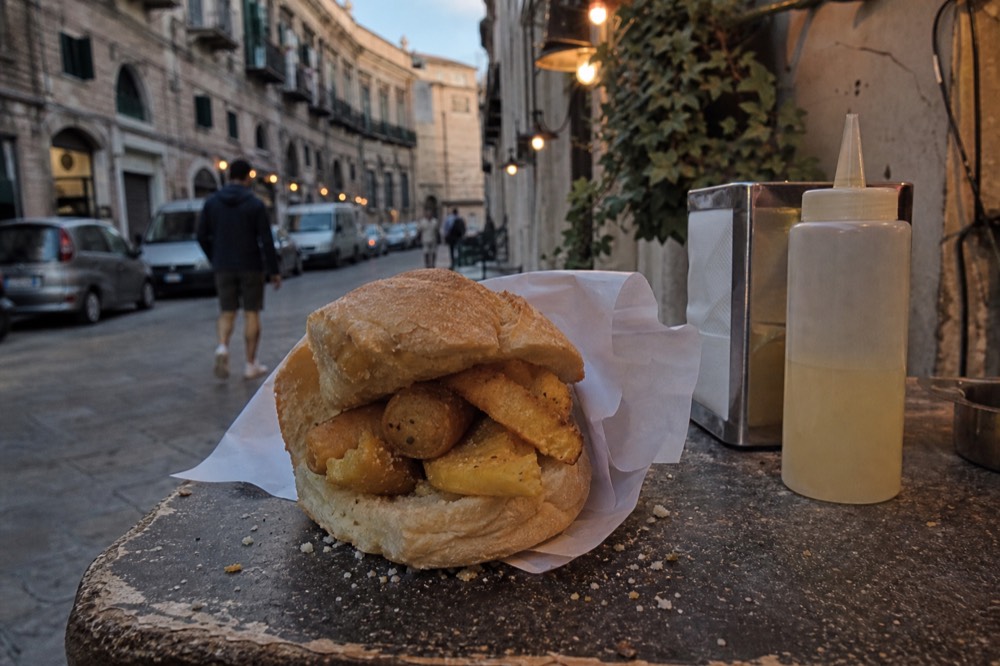
Eat the Palermo fried canon from established friggitorie and grill stands rather than market stalls that look quiet: panelle and crocchè are the historic local pair, both officially recognised Sicilian traditional products, and in the centro storico an arancina or a panelle-and-crocchè panino currently runs about 3 to 4.50 euro, roughly double 2021 levels according to local press reporting on price rises. At night, the Vucciria's own speciality is grilled street food from the carts around piazza Caracciolo, eaten standing, and the square's bars do a steady trade in the cheap local beer-and-spritz end of things.
Two things worth knowing that most visitors never find out. First, panelle, chickpea fritters made from a batter of chickpea flour, water, salt and pepper, spread cold to half a centimetre and fried, are the one item of the Palermo street-food canon whose official production territory is the city of Palermo itself, per the Regione Siciliana's PAT technical sheet. If you eat one thing in this quarter, make it a hot panino con panelle e crocchè from a busy fryer. Second, be careful with the word "market food" here: because the daytime market has thinned, some of what sells in the alleys is aimed at the passing trade, and a September 2025 visitor report describes microwaved, pre-made arancini bought at a market stall as a genuine disappointment. The fix is simple, choose the stall with the queue of locals and the fryer running.
| Item | What it is | Rough centro storico price | Where to get it near the Vucciria |
|---|---|---|---|
| Panino con panelle e crocchè | Chickpea fritters and potato croquettes in a sesame roll | 3 to 4.50 euro | Established friggitorie, busy fryers only |
| Arancina | Fried rice ball, the Palermo feminine form | 3 to 4.50 euro | Friggitorie, eaten hot |
| Grilled street food | Night-time grill carts around the square | Varies by stand, check the cart | The Vucciria at night |
| Pizza and a drink | Sit-down or takeaway | Around 14.56 euro average | Anywhere in the centre |
| Sit-down trattoria meal | Primo plus a drink, typical | 20 to 25 euro | Trattorie in the surrounding alleys |
The price figures above reflect 2026 reporting in the local press on centro storico prices, and prices move with the tourist season, so treat them as planning ranges and check the board before you order. One legal point that genuinely matters here: under EU food-information rules in force since December 2014, allergen information is mandatory for non-prepacked foods, including at market stalls and friggitorie, so if you have an allergy, ask, and expect a real answer.
If you would rather have the canon explained while you eat it, the Street Food and History walking tour covers the Capo market with five tastings plus cannoli and a drink, from $56.91 per person, about 3 hours, with free cancellation up to 24 hours.
How Do You Get To The Vucciria, And Can You Drive?
You walk, almost certainly: the Vucciria sits inside Palermo's limited-traffic zone, whose summer timetable restricts the historic centre from 8am to 8pm Monday to Thursday, 8am to midnight on Friday, and on weekend nights, so a hire car is a liability in this part of the city and the market is a 10-minute walk from the Quattro Canti and about 15 from the Teatro Massimo. The ZTL hours above are the summer notice published by the city's Polizia Municipale, in force to 31 October 2026; the winter timetable differs, so check the Comune's notice page before relying on it in the cold half of the year.
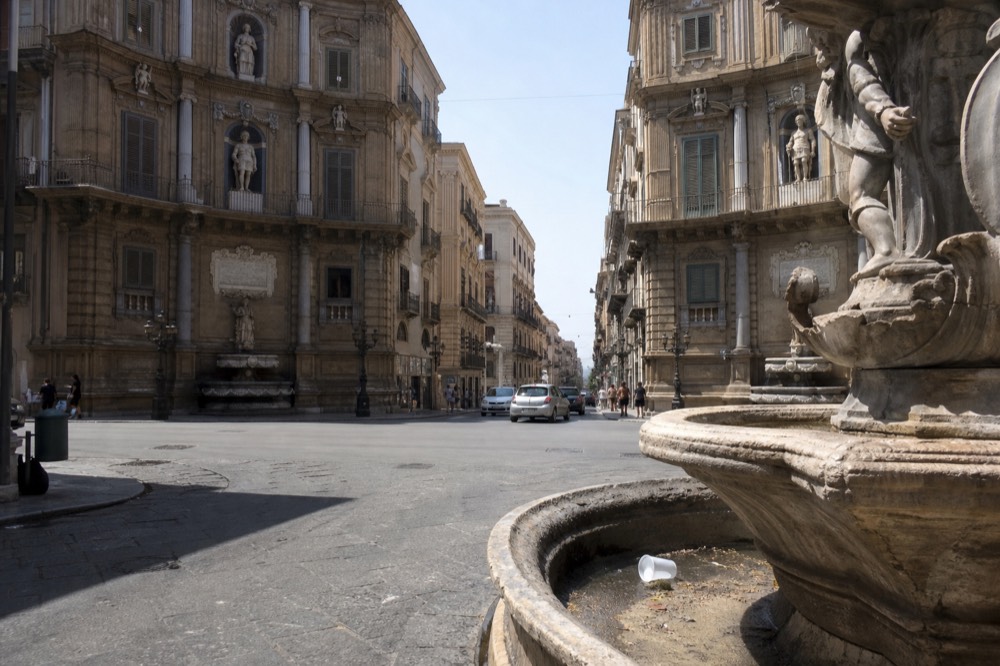
The practical geometry is simple. Piazza Caracciolo, the heart of the quarter, lies just off via Maqueda, the straight spine of the old city, and the whole Vucciria is compact enough that you will cross it in ten minutes without trying. From the cathedral or the Ballarò you are already close; from the station allow a 20-minute walk or a short bus ride. City transport is cheap: under the AMAT tariff plan covering 2026 to 2028, a day pass is 3.50 euro and a carnet of ten rides 12.50 euro, while a ticket bought on board costs 2.50 euro.
| Coming from | Best approach | Notes |
|---|---|---|
| Quattro Canti | Walk down via Maqueda, turn into the alleys | About 10 minutes, cannot get lost |
| Teatro Massimo | Walk south via via Maqueda | About 15 minutes through the shopping spine |
| Ballarò market | Walk north through the Albergheria | Senses the two markets back to back |
| Central station | Bus or 20-minute walk | Day pass 3.50 euro |
| Airport | Bus or taxi to the centre, then walk | Do not drive into the ZTL |
Two cautions. First, the pedestrian area rules mean vehicle access into the market streets themselves is limited to residents and loading between 6 and 8am, so even taxis drop you at the edge. Second, if you are staying in the Vucciria itself, read recent guest reports before booking: the neighbourhood's noise until the small hours on weekends is a recurring, documented complaint, and many visitors end up wishing they had based themselves nearer Politeama and visited the Vucciria on an evening instead.
What Is The Guttuso Connection, And Is The Painting Worth Seeing?
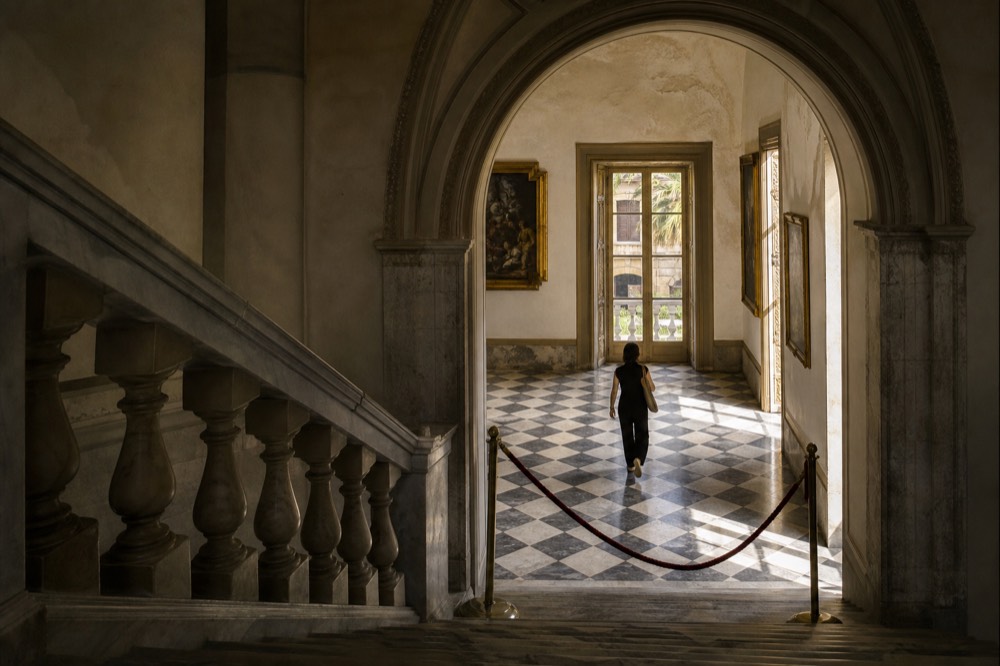
Renato Guttuso painted "La Vucciria", a three-by-three-metre canvas of the market at its mid-century peak, between 1 October and 6 November 1974, working from real produce flown up from Palermo to his studio in the north, and the painter himself decided the picture should belong to the University of Palermo and hang at the Steri, the monumental palace a short walk from the market it depicts. It is one of the few paintings that functions as a market's memory, and seeing it changes how you read the square.
The details come from the University of Palermo's own museum heritage service, which holds the work in its Quadreria Mediterranea collection, and you can read the institution's own page on the painting. Guttuso was 63 and living at Velate when he painted it in 37 days. His household's custodian, Isidoro, was sent to the market to load crates of its fish, vegetables and cheese onto the first plane to Milan so the painter could work from the real thing. The result is not a nostalgic market scene so much as a full-throated one: hanging meat, fish on ice, the shouted abbanniata of the hawkers rendered in paint.
That last word deserves a line of its own. The abbanniata is the Palermitan dialect term for the loud, often colourful sales cry hawkers use to pull buyers in, and the city's tourism portal treats listening to it as part of the show of the historic markets, folk music rather than noise. You will still hear fragments of it in the morning markets. Pairing the painting at the Steri with a morning walk through the real square, one dense and 1974, one thin and live, is the single most rewarding free cultural loop you can build around this quarter.
When Is The Best Time To Visit The Vucciria?
The sweet spots are May, June and September, when Palermo averages daily highs of 23.3, 27.2 and 27.5 degrees Celsius with only 4.1, 1.9 and 5.4 rain days, and when long evenings let you do both versions of the Vucciria, a morning loop and a night session, in one day; July is the hottest and driest month, and December the wettest with 123.7 mm of rain. These are World Meteorological Organization climatological normals for Palermo, and they map neatly onto what you actually do here.
The arithmetic of daylight matters more than people expect. In mid-July the sun rises at 05:56 and sets at 20:29, over fourteen and a half hours of light, and the useful hours for a market walk are the early morning and after 19:00, because the middle of the day is too hot for alleys with no shade. In mid-January daylight is under ten hours and the light is gone before 17:15, so a morning market and the Guttuso at the Steri comfortably fill the day, and the night scene moves earlier with it.
| Month | Mean daily high | Mean rain days | Best plan for the Vucciria |
|---|---|---|---|
| May | 23.3 C | 4.1 | Morning market loop, long evening outside |
| June | 27.2 C | 1.9 | Early walk, night session in the square |
| July | 29.8 C | 1.2 | Morning only until 10am, return after 8pm |
| September | 27.5 C | 5.4 | Best all-round month for both versions |
| December | 15.8 C | 12.0 | Indoor-heavy day, painting, early dinner |
One July caveat that no one else will tell you. On 14 and 15 July the Festino di Santa Rosalia, the city's biggest annual event, sends processions through the historic centre along Corso Vittorio Emanuele, the Quattro Canti and Piazza Marina, all of it on the ground a market walk covers, with the city procession of the relics at 19:00 on the 15th and a pyromusical display at 23:00. The 2026 edition was the 402nd. It is spectacular and it is gridlock: the streets around the Vucciria are crowd-filled from the afternoon onward. Go for the festival or avoid the dates entirely, but do not stumble into them by accident.
If your dates are flexible and you want the deepest market experience rather than just the square, Culinary Backstreets' Savoring Palermo runs 5 hours across the markets and beyond, from $150 per person, free cancellation up to 24 hours, with only 7 spots per departure.
How Does The Vucciria Compare With Ballarò, The Capo And Borgo Vecchio?
The Vucciria is the nightlife market, the one whose daytime trading has declined furthest; Ballarò is the biggest and the one the city itself calls the oldest, trading Monday to Saturday 07:30 to 20:00 with Sunday mornings only; the Capo is the meat-market-turned-street-food market nearest the cathedral; and Borgo Vecchio, founded as a quarter in 1556, is the morning-only market behind the Politeama that tourists almost never reach. The Comune di Palermo's tourism portal treats these four as the city's historic markets, and nothing in current official material changes that list.
The comparison is worth making because first-time visitors routinely do all four wrong. They come to the Vucciria in the afternoon expecting a market, they skip Borgo Vecchio because it closes before they have finished coffee, and they judge Ballarò by a single rushed pass. The table below is the honest version.
| Market | Quarter | Officially stated hours | Character now |
|---|---|---|---|
| Vucciria | La Loggia, around piazza Caracciolo | Daily, morning and afternoon | Day market much reduced; nightlife dominant |
| Ballarò | Albergheria, piazza Casa Professa to corso Tukory | Mon-Sat 07:30-20:00, Sun mornings | Biggest, most complete food market |
| Capo | Seralcadio, via Carini area | Daily, morning and afternoon | Meat-market history, strong street food |
| Borgo Vecchio | Behind the Politeama, to the port | Mornings only | Local, untouristed, early risers only |
The Vucciria's own story is the most extreme of the four, and it is not finished. The city council approved a regulation for the covered market at Ballarò in January 2026 prioritising historical traders, and the wider debate about how the historic markets survive tourism is live municipal politics, not ancient history. PalermoToday's reporting quoted traders on the loss of around 80% of traditional customers; the city's answer so far has been ordinances, pedestrian areas and enforcement rather than reinvention. Whether the Vucciria stabilises as a night-time food district, as it currently appears to be doing, is the open question.
For eating plans beyond the market square itself, our where locals eat in Palermo guide collects the friggitorie and trattorie that residents actually defend, and the best food in Palermo covers the dishes worth structuring a day around. If you are weighing a whole food-focused trip, Palermo Food Tours exists precisely to help you make these calls with real numbers rather than slogans.
Common Questions About The Vucciria Market In Palermo
Is the Vucciria market open every day?
The Comune's tourism portal describes the Vucciria as open every day, morning and afternoon, but in practice the daytime market is much reduced and the reliable activity is early morning plus the evening nightlife scene. Treat mornings as the market hours and evenings as the social ones.
What does Vucciria mean?
The name comes from the French boucherie, butcher's shop, because the market began as a meat market. In Palermo the word also came to mean uproar, from the shouting of the hawkers, and the square was formally arranged by the viceroy Caracciolo in 1783, giving piazza Caracciolo its name.
Is the Vucciria safe at night?
It is a crowded nightlife zone rather than a no-go area: busy, loud and best treated like any big-city night out, with bags kept in front of you. The Prefect of Palermo designated the Vucciria streets a strengthened-vigilance area in January 2026, so there is an active police presence around the weekend night economy.
Can you still buy food at the Vucciria?
Yes, but less than the old reputation suggests. A few stalls trade in the morning alleys, and at night the square fills with grill carts and bars. For a full morning food market, Ballarò, which trades Monday to Saturday 07:30 to 20:00, is the stronger choice.
Where is the Guttuso painting of the Vucciria?
Guttuso's La Vucciria, a three-by-three-metre canvas painted in October and November 1974, hangs at the Steri, the University of Palermo's monumental palace, a short walk from the market. The painter himself decided it should be exhibited there, and it belongs to the university's Quadraria Mediterranea collection.
How much time should you spend at the Vucciria?
About an hour in the morning to walk the alleys and the piazza, or an evening of however long you want to stay out. Visitors hoping for a half-day market expedition should combine it with Ballarò or the Capo rather than expecting the Vucciria alone to fill the time.