Where To Avoid In Palermo?
An honest, sourced answer to which parts of Palermo visitors are better off skipping after dark, which warnings are outdated, and which neighbourhoods to base yourself in instead.
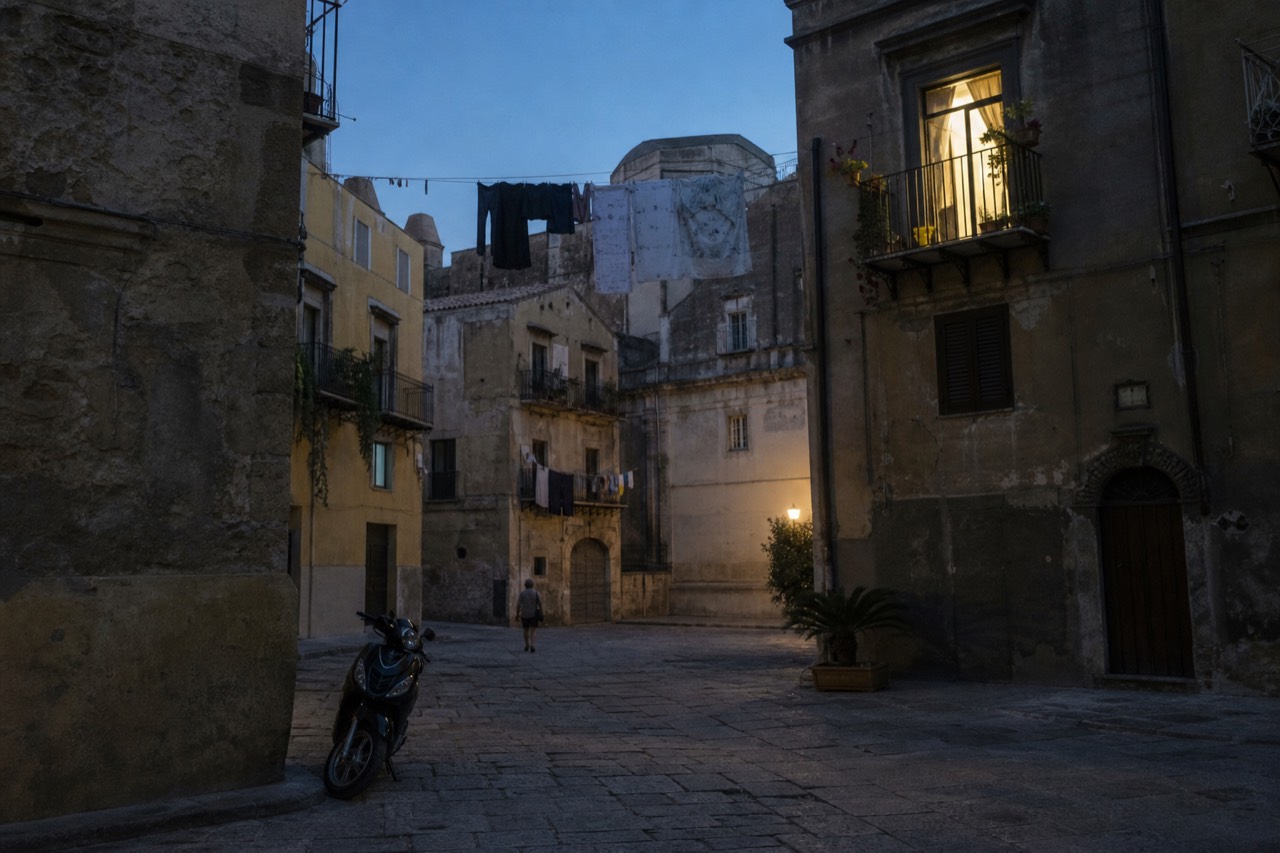
Where To Avoid In Palermo?
Short answer: no part of central Palermo is a no-go zone, but the streets around the central train station, the fringes of the Vucciria late at night, and the outer housing estates are the areas worth steering clear of after dark. The historic food markets themselves are fine in the daytime, and violent crime against visitors is rare. Palermo's problems are pickpocketing and unevenly lit streets, not violence.
That answer is not folklore. It is what the crime data and a steady stream of recent traveller reports actually support, and it is more useful than the blanket "Palermo is dangerous" warnings that circulate online, or the equally blanket "perfectly safe" reassurances.
The numbers first. Palermo province ranks 24th out of 106 Italian provinces for reported crimes per capita in the Il Sole 24 Ore 2025 index, with 3,936 reported crimes per 100,000 residents, and the trend is falling: reported crimes in the Palermo metropolitan area dropped 9.24% in 2025, and the first quarter of 2026 fell a further 11.37%, as reported by PalermoToday. For context, a mid-table provincial ranking in Italy describes an ordinary big city, not a crisis zone.
The consistent pattern in recent first-hand accounts: pickpockets in crowded tourist areas, a station district that feels rough after dark, and peripheral neighbourhoods nobody has a reason to visit. Meanwhile the food streets most guides send you to, the Capo, Ballarò in daylight, and the lanes around Teatro Massimo, draw nothing but praise. A good guide compresses that learning curve into three hours, which is one reason the small-group walks are worth considering.
Is The Area Around Palermo Centrale Station Unsafe After Dark?
The blocks around Palermo Centrale and the adjoining parts of Via Roma are the one central area where recent visitor reports consistently advise caution at night. Travellers describe the station surroundings as rough after dark, and the street-level scene there does not match the rest of the centro storico. Nothing in the data suggests violence, but the area is gritty, thinly policed-feeling and easy to avoid. Book a hotel elsewhere.
A thread from early 2025 sums up the consensus: the train station area is rough after dark, pickpockets operate in tourist spots generally, and violent crime is low compared with bigger European cities. That matches the official picture of falling crime overall. The practical point is simple: there is no food reason to be near Centrale at night anyway. The evening eating action clusters around the markets, the Teatro Massimo quarter and the Kalsa's improving restaurant row.
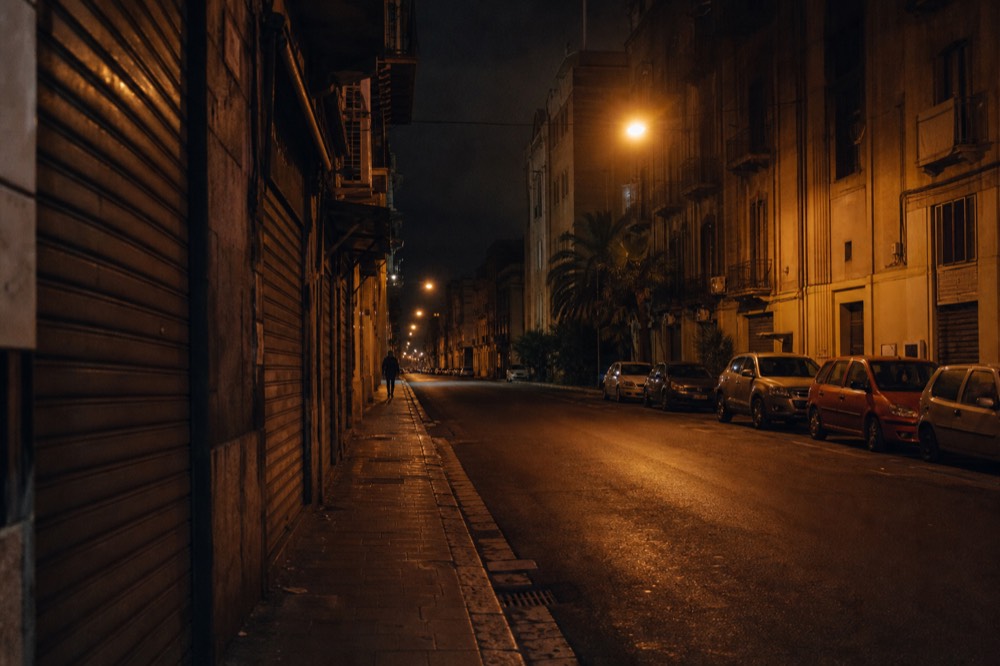
One recurring warning deserves its own mention: the masked and disoriented characters occasionally reported wandering the centro storico at night. One traveller in late 2025 described being followed partway across town by a masked woman who doubled back repeatedly, with no robbery resulting. The takeaway from that report, and from the replies to it, is awareness rather than avoidance: keep bags in front, stay on lit streets, and move toward busier areas if something feels wrong. That advice applies to any large Mediterranean city.
If you are arriving late by train, the cheapest fix is a taxi or rideshare straight to a hotel in the Politeama, Libertà or Massimo areas rather than a walk with luggage. For a wider view of the sleep-trade-offs, our guide to where to base yourself in Palermo breaks the neighbourhoods down street by street.
Is The Vucciria Safe, Or Should You Skip It?
The Vucciria by day is a faded market quarter worth a short walk, and by night it is a loud nightlife zone with a police-vigilance designation, which makes it the one market area where evening behaviour matters. Return visitors describe it as crowded, dirty and loud until roughly 4am on weekends, and recommend the Kalsa or the Teatro Massimo area for sleeping instead. Visit, do not sleep there.
The official record backs the caution. The prefect of Palermo issued an ordinance in January 2026 designating the Vucciria streets between Via Roma and Piazza San Domenico a strengthened vigilance area, banning loitering by individuals already reported for specified crimes, and the order runs to 18 April 2026. Separately, the city extended the market's pedestrian-area ordinance to 31 December 2026, per the Comune di Palermo's own notice. This is a quarter the authorities are actively managing.
The daytime story is more nuanced. The Vucciria's food market has largely given way to bars and street drinking, a shift the city's own tourism portal still glosses over; PalermoToday reported in March 2025 that traders blame the ZTL, parking and services shortages for the loss of most of their traditional custom. What is left is a photogenic, slightly scruffy square, Piazza Caracciolo, with Guttuso's famous 3-by-3-metre painting of the market in its heyday hanging a short walk away at the University's Steri complex.
For eating, the honest advice is to treat the Vucciria as a pass-through and eat elsewhere. A returning visitor in a 2025 thread put it bluntly: no longer a real market, mostly nightlife now. Our guide to the four markets of Palermo covers what each one is actually good for in 2026, and the short version is that the Capo does the daytime food work the Vucciria no longer does.
Is Ballarò Safe To Visit?
Ballarò is safe in daylight and uncomfortable after roughly 5pm, when the market winds down and the side streets empty. Recent visitor advice is to stick to Corso Tukory and Via Maqueda even during the day and treat the market lanes as a morning activity. The food criticism is separate from the safety one: the market has gone touristy, and quality complaints now outnumber praise.
The safety picture comes straight from residents. In a Palermo subreddit thread on the market after dark, locals called the side streets labyrinthine, poorly lit and rundown, and advised staying on the main arteries even in daytime, noting the market itself closes around 5pm. Nothing in that report suggests danger so much as discomfort: an area that stops being interesting exactly when it stops being busy.
The food picture is harsher. A September 2025 visitor to Ballarò reported buying arancine that turned out to be microwaved pre-made product, and found the same at other stalls. The replies were unsparing: locals advised Passami u Coppu, Donna Franca, Sfrigola, Basile, I Cuochini, Bar Vabres and other fixed shops over the market stalls, one noting the markets are touristy now but that the Capo still had good food. For the current state of each market, see our Palermo markets guide.
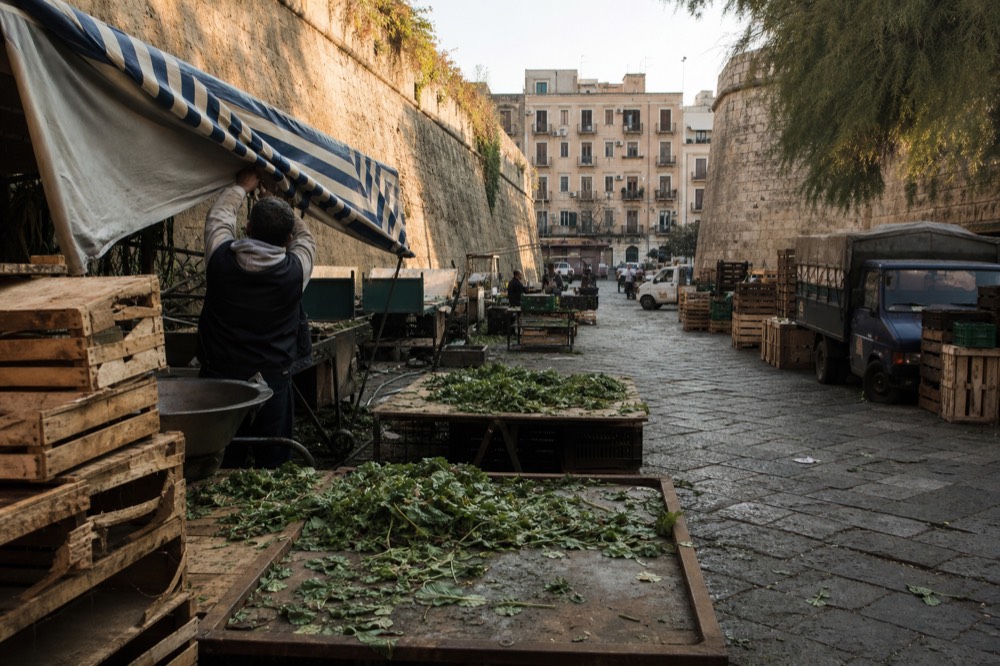
This is exactly the trap a food tour exists to solve. A guided walk puts a local between you and the microwave, and the operators that run small groups in the market lanes know which fryers are loaded fresh. The Street Food and History Walking Tour from Cavallaro Fabrizio runs 3 hours from $56.91, holds a 4.9 rating across 1,672 reviews, offers free cancellation up to 24 hours and often sells out, which is a scheduling hint in itself.
What About The Outer Districts Like The Zen?
The Zen and the other peripheral housing estates on Palermo's northern and western edges are the areas with no tourist purpose, and every piece of recent advice treats them the same way: do not go, there is nothing there for a visitor. This is not a safety panic, it is simple triage. No market, no monument, no restaurant scene justifies the trip. Your time is better spent inside the centro storico or on a day trip.
The Zen appears in traveller advice threads only as a named place to avoid, and it stays there because it is a 1970s public-housing periphery with decaying infrastructure, not a neighbourhood with anything to intercept a visitor. The same goes, in gentler form, for far-flung residential quarters with no sights: there is no food reason to be in any of them.
What sometimes surprises first-time visitors is how quickly Palermo transitions. You can be photographing a Baroque fountain on Piazza Pretoria and be in a run-down block within a few hundred metres. That seam is the actual geography of the "avoid" question: the centro storico is compact, walkable and generally fine, and the edges are where the warnings live. A resident's rule of thumb from a 2025 thread holds up: stay within the area bounded roughly by the port, Via Roma, Politeama and the markets, and the city behaves like any southern European capital.
One non-obvious caveat: the ZTL makes the historic centre a walking zone by design, active on weekdays by day and at night on weekends per the Comune's Polizia Municipale notice. The summer timetable runs to 31 October 2026. If you have a hire car, the restricted zone is one more reason to park it and walk, which is both the safe and the pleasant option.
Which Parts Of Palermo Are Best To Stay And Eat In Instead?
The consistently recommended areas are Politeama and Libertà for quiet, comfortable nights, the streets around Teatro Massimo for walkability, and the Kalsa for design-minded guesthouses close to the food action. The Noce and Zisa districts appear as up-and-coming alternatives. All of them put you within walking distance of every market in the daytime while keeping your evenings on lit, populated streets.
Here is how the recommendations from recent local and visitor threads map onto the city:
| Neighbourhood | Daytime character | Nighttime character | Best for |
|---|---|---|---|
| Politeama / Libertà | Elegant, shop-lined, bourgeois | Quiet and safe, per multiple threads | Families, light sleepers |
| Teatro Massimo area | Central, cafe-heavy, walkable | Busy and well-lit | First-time visitors, food walkers |
| Kalsa | Atmospheric lanes, growing restaurant row | Livelier, mixed reports | Design hotels, couples |
| Borgo Vecchio fringe | Market mornings, young nightlife | Noisy until late | Budget stays, night owls |
| Vucciria | Faded market square, bars | Very loud until about 4am | No sleep, some nightlife |
The Borgo Vecchio is the interesting borderline case. The Comune's own tourism portal notes the quarter has undergone urban gentrification with a growing young and tourist presence at night, and new openings keep arriving, but multiple threads still flag the noise. It is a place to eat, not necessarily to sleep, and the same one-line summary applies to much of this page: the question is rarely "dangerous or safe," it is "loud or quiet, and how late."
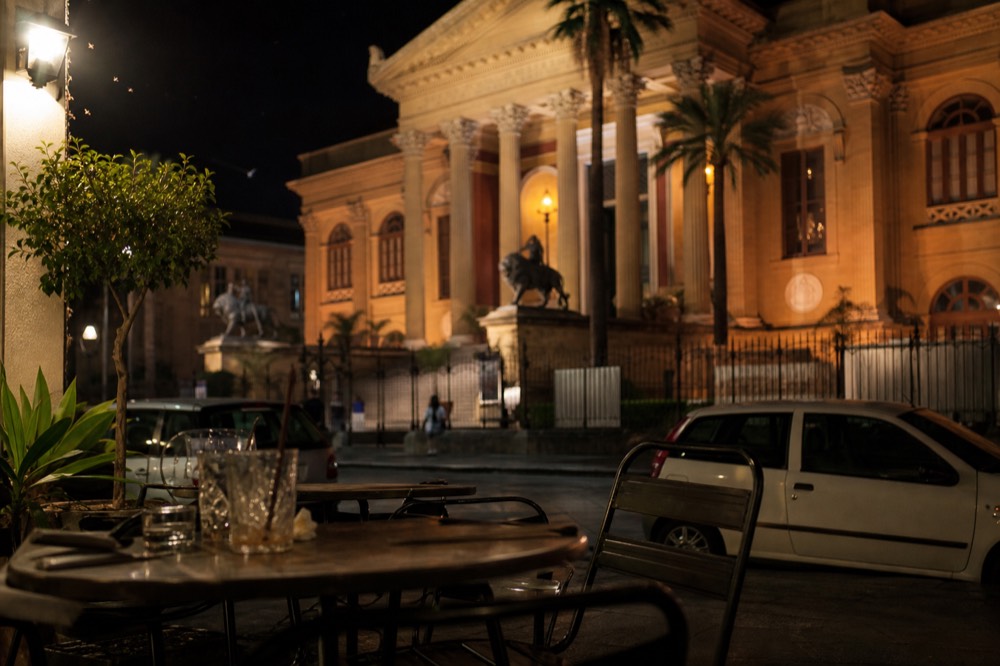
Food-wise, you lose nothing by basing yourself in the calmer quarters. The concentration of recommended trattorias, friggitorie and wine bars described in where locals eat in Palermo clusters around the centro storico, all of it a 15-to-20-minute walk from Politeama. The city's street-food canon, panelle, crocchè, arancine, stigghiola, is sold at fixed shops scattered through exactly those central streets, which is where the locals in the market threads send people anyway.
What Scams And Tourist Traps Should You Avoid In Palermo?
The three to know: pickpockets working the crowded squares and buses, fake or stale parking tickets offered by non-uniformed characters in blue zones, and overpriced or reheated food at the most tourist-facing market stalls. None of these are Palermo-specific or violent. Standard city habits, bags in front, official parking apps, busy fryers over empty ones, neutralise all three.
The pickpocketing pattern is well documented in first-hand reports, including a September 2025 account of a visitor physically stopping a theft attempt on an elderly man's bag in the old town. The replies were matter-of-fact: common in tourist areas, like every big city, stay aware. The Palermo pickpocket does not need a special strategy beyond the ordinary one.
The parking trick is the most Palermo-specific. Drivers in the blue zones found scratch tickets and app payments legitimate but encountered people presenting expired or old-looking tickets, and the advice from locals was to use the official methods only, an app or a machine, and to ignore anyone who approaches the car. There is also a double-charging report circulating about the local ride-hailing situation: the city does not have standard Uber service, only licensed private drivers at premium prices, so agree the fare before you get in.
On food traps, the market threads give you the checklist. Busy counter, food fried in front of you, locals in the queue: good sign. Empty stall, pre-made product, a tout outside: walk on. A traveller in 2023 paid 14 euro for a microwaved plate at a market and the locals who replied did not even act surprised. A budget-range walking tour solves this for the price of a round of drinks, and the cheaper end of the roster is competitive: the Street Food Walking Tour with Local Guide & Tasting from Hili srl runs 2.5 hours from $39.83 with a 4.8 rating across 933 reviews, free cancellation up to 24 hours, and it often sells out.
Should The Safety Warnings Change How You Plan A Food Trip?
No, and mostly yes in the details. Nothing in the data or the reports argues for skipping Palermo, a city whose reported crime is falling year on year and whose tourist numbers hit a record 2.1 million presences in 2025. What the warnings should change is timing and base camp: tour the markets in daylight, sleep in a quiet quarter, and let a guide handle the judgment calls on the first day.
The day-shape matters more than the district choice. Ballarò closes down around 5pm, the Capo trades mornings and afternoons, and the nightlife quarters get loud precisely when the food day ends. Building your itinerary around the market rhythm, eat from mid-morning, sit-down dinner from 8pm, and either a quiet hotel street or the energy of the movida, does more for your comfort than any street-by-street avoidance list.
A reasonable first-day structure looks like this:
| Time | What to do | Why |
|---|---|---|
| 9:00-12:00 | Guided market walk (Capo or Ballarò) | Markets at their freshest and busiest |
| 12:00-15:00 | Sit-down lunch, then a monument | Shade and a chair at peak heat |
| 15:00-18:00 | Fixed-shop street food crawl | Quality fryers, no market crowds |
| Evening | Dinner near Massimo, Kalsa or Libertà | Lit, busy, comfortable streets |
| Late | Only if you want it: the movida | Otherwise you are asleep anyway |
The city's own tourism figures for 2025 make the context plain: over 916,000 arrivals, 2.1 million presences, 63.8% of them foreigners. A city absorbing that many visitors with falling crime and no pattern of incidents against them is, on the evidence, a city that works.
The Bottom Line On Palermo's Rough Edges
Palermo rewards a visitor who treats it like what it is: a large, poor-in-parts, rapidly improving southern Italian city with world-class food. The areas to avoid are the station quarter after dark, the Vucciria after the bars fill, the market lanes once the stalls shut, and the outer estates with no reason to exist on your itinerary. None of that touches the daytime food circuit, and none of it is a reason to stay away.
The one genuinely useful safety upgrade is an early guided day. You learn the geography, the good fryers and the streets that feel right, in three hours, and then the whole city is legible. Small groups, free cancellation and honest itineraries are the norm here, so the decision costs you very little. That is the working method behind everything we publish on Palermo Food Tours: check the primary sources, name the streets, and let the reader decide.
Common Questions About Where To Avoid In Palermo
Where To Avoid In Palermo?
The areas worth avoiding are the blocks around Palermo Centrale station after dark, the Vucciria once the nightlife starts, the Ballarò side streets after the market closes around 5pm, and the outer housing estates such as the Zen, which have no visitor purpose. The historic centre, the market lanes in daylight and the Politeama, Libertà and Teatro Massimo quarters are all comfortable for visitors.
Is Palermo safe for tourists?
Yes, by the ordinary standards of a large Mediterranean city. Reported crime in the Palermo metropolitan area fell 9.24% in 2025 and a further 11.37% in the first quarter of 2026, and the city hosted over 2.1 million tourist presences in 2025. The risks that actually appear in visitor reports are pickpocketing and unease in a few specific zones after dark, not violence.
Is the Vucciria dangerous at night?
Not dangerous so much as loud and messy. The area has been designated a strengthened vigilance zone by prefect's ordinance, recent visitors describe crowds and noise until roughly 4am on weekends, and the daytime food market has largely given way to bars. Visit the square and move on; sleep somewhere quieter.
Is Ballarò safe?
In daylight, yes, and it is one of the city's essential sights. Locals advise staying on the main streets such as Corso Tukory and Via Maqueda, and the market lanes are best treated as a morning activity since the market winds down around 5pm and the side streets are poorly lit. The bigger practical problem is tourist-facing stalls selling reheated food, which a guide or a busy fixed shop solves.
Where should you stay in Palermo to avoid problems?
Politeama and Libertà are the consistently recommended quiet choices, the streets around Teatro Massimo are the walkable central option, and the Kalsa suits design-minded visitors who want to be near the food action. Avoid hotels in the station quarter if you value evening comfort, and think twice about the Borgo Vecchio and Vucciria if you are a light sleeper.
Are there scams to watch for in Palermo?
Three: pickpockets in crowded squares and buses, stale or fake parking tickets offered by non-uniformed people in blue zones (use the official app or machines), and overpriced or microwaved food at the most tourist-facing market stalls. A double-charging report also circulates around private-driver rideshares, so agree fares in advance.