Which Part Of Palermo Is Best To Stay In?
A neighbourhood-by-neighbourhood answer to where to sleep in Palermo, from the market quarters of the centro storico to quieter Politeama and Libertà, with costs, safety notes and seasonal timing.
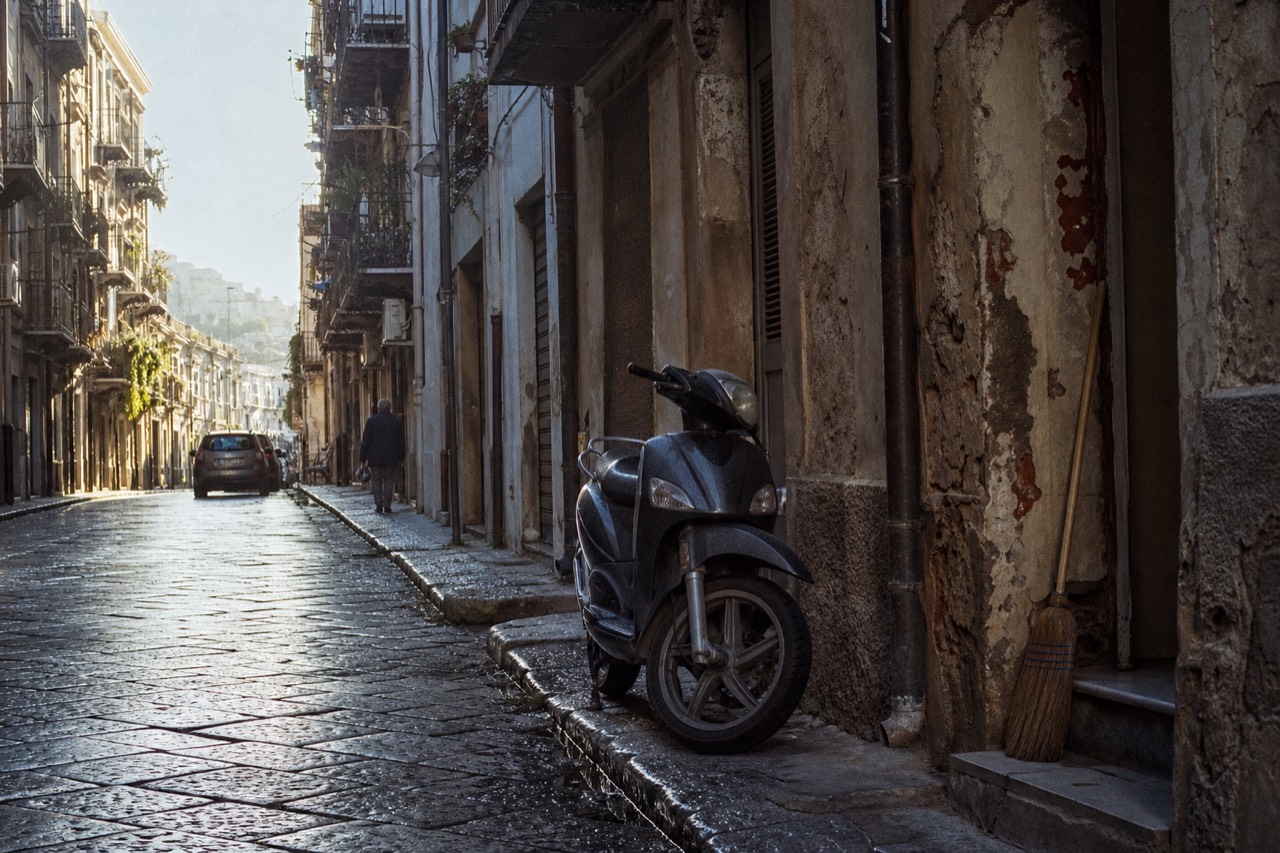
Palermo closed 2025 with more than 916,000 arrivals and around 2.1 million tourist presences, according to the regional tourist observatory's figures published by the city, and foreigners made up 63.8 percent of them (Comune di Palermo, tourism data 2025). Nearly all of that pressure lands on a historic core small enough to cross on foot. That single fact shapes the whole neighbourhood decision: the difference between sleeping beside the Capo market and sleeping up by Politeama is the difference between waking to hawkers' cries and waking to café tables on a calmer square, and it is a difference you will feel at seven in the morning and again at midnight.
This page works through the question the way a local would answer it: which quarter for a first visit, which for food, which for sleep, what the safety reports actually say, what the city will charge you on top of the room rate, and how the season changes the calculus. The short version is that there is no bad answer among the main candidates, but there are several answers that fit different trips badly.
Which Part Of Palermo Is Best To Stay In?
For a first visit built around food, the historic centre between the Capo market and Teatro Massimo is the strongest base: walkable to Ballarò, the Vucciria and the cathedral, and busy enough at night to feel safe. Politeama and Libertà suit travellers who want quieter, more polished nights a short bus ride from the old city.
The centro storico is where Palermo's four historic markets, its cathedral, its Arab-Norman churches and most of its street food sit inside one another's orbit. The city's own tourism portal groups the historic markets as Ballarò, la Vucciria, il Capo and Borgo Vecchio, and all four are old-core or old-edge institutions. Staying inside that ring means your evening walk, your morning coffee and your arancina run all happen without a timetable.
The trade-off is real, though. The old core is loud in a way that has nothing to do with misbehaviour: market trading starts early, scooters use the narrow streets as shortcuts, and the Vucciria in particular turns into a nightlife district that recent first-hand reports describe as running loud until around 4am at weekends. Travellers who sleep lightly, or who are visiting in the height of summer with a room that lacks decent air conditioning, often do better a kilometre north.
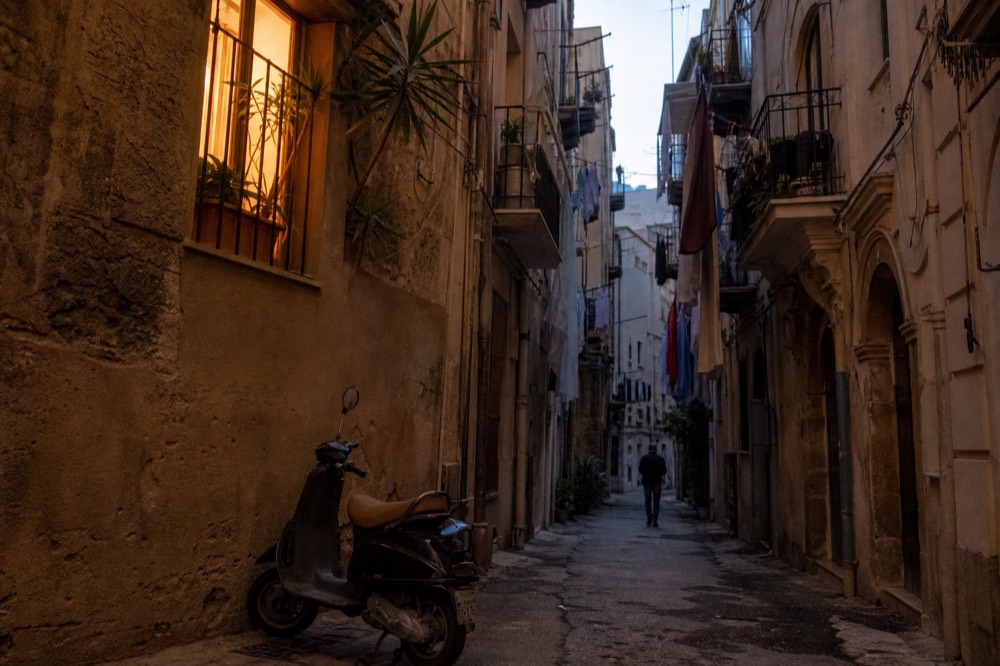
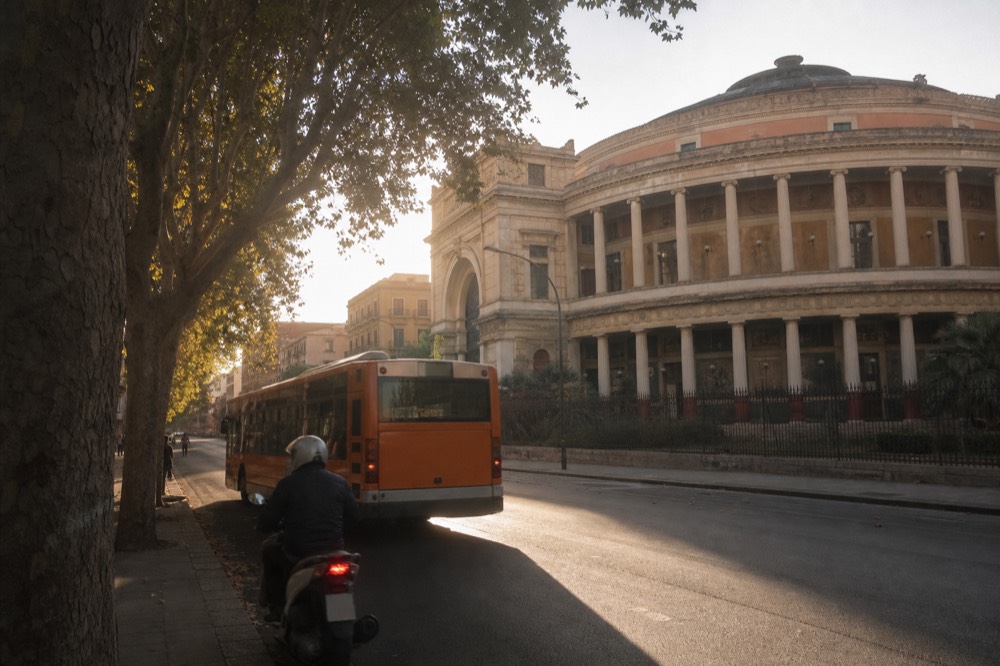
Politeama and Libertà, the districts around the Teatro Politeama and Teatro Massimo end of via Maqueda and the streets spreading north and west, are the standard answer for that traveller. Recent visitor reports on travel forums consistently describe them as safer, busier and quieter at night than the market quarters or the area around the station. You give up the wake-up-and-walk-to-the-market convenience and gain sleep, wider pavements and a more residential choice of restaurants.
Which Neighbourhood Is Best For First-Time Visitors To Palermo?
First-timers do best inside the centro storico, the old walled core where Palermo's markets, cathedral and street food sit. The quarters of Albergheria, Seralcadio around the Capo, the Loggia around the Vucciria and the Kalsa all put the main sights within a short walk of each other, which matters more than any single hotel street.
The centro storico divides into named quarters, and the names are worth learning before you book because listings use them constantly. Albergheria wraps around Ballarò, the market the city's own portal calls its oldest and largest, trading Monday to Saturday from 07:30 to 20:00 and mostly mornings only on Sunday. Seralcadio is the Capo's quarter, formed in the Muslim era according to the city's tourism portal, historically the meat district, and today the densest run of friggitorie in the city. The Loggia holds what is left of the Vucciria. The Kalsa, on the eastern side, is quieter in the evenings and holds Palazzo Butera on the seafront, though one recent visitor report called the quarter thin on sights compared with the market side of town.
| Area | Feel | Best for | Watch out for |
|---|---|---|---|
| Seralcadio (Capo) | Dense, loud, market-driven | Street food mornings, walkability everywhere | Early noise, crowded lanes at midday |
| Albergheria (Ballarò) | Lived-in, gritty at the edges | The biggest market scene, budget rooms | Side streets poorly lit after dark |
| Loggia (Vucciria) | Nightlife district now | Evening atmosphere, bars | Loud until around 4am at weekends |
| Kalsa | Calmer, museum-side | Quieter nights, seafront walks | Fewer food options on your doorstep |
| Politeama and Libertà | Polished, residential | Sleep, comfort, bus links to the old core | A bus or long walk to the markets |
Borgo Vecchio deserves its own line. The quarter dates its formation to 1556, after the new port was built and the Senate of Palermo bought the tonnara di San Giorgio, and it was settled by fishermen and sailors moving out of the Kalsa. Its food market is a morning market, and the city's own description acknowledges the quarter has undergone urban gentrification, with a growing young and tourist presence at night. For a traveller it reads as a middle path: more authentic market mornings than the Vucciria, quieter nights than Ballarò, a short walk from the Politeama side.
One practical note before the hotel comparison goes further: whichever quarter you choose, the food itself is easiest to unlock with a guide on day one. The trio below is the selection this site recommends for exactly that, a market walk, a cheaper small-group alternative, and a full-day escape for the day you want to see western Sicily.
The pattern behind those picks: the Streaty original is the all-inclusive market walk with the deepest review history on the roster, Do Eat Better runs a similar format for less money with free cancellation up to 24 hours, and the Erice and Marsala day trip covers the days when the city itself is enough and you want the salt pans instead. If you are still deciding how long to stay in the first place, the companion piece on how many days in Palermo is enough works through the itinerary math.
Where Should You Stay In Palermo For Food And Markets?
Stay near the Capo for the densest run of friggitorie, or near Ballarò for the market the city's own portal calls its oldest and largest, accepting grittier side streets. The Vucciria is no longer a real food market; it is nightlife now, so treat it as an evening destination rather than a reason to book a room.
The Capo is the food traveller's quarter. The city's tourism portal lists what its hawkers sell: sfincione and sfincionello, pane con la milza, pane con le panelle and crocche di patate. That is the core Palermo street food canon, sold inside a single market district, and the portal describes the market as open every day, morning and afternoon. The quarter also carries the official street food listing the city publishes for the Capo, which makes it the most defensible base for a trip organised around eating.
Ballarò is the bigger, rawer experience. It stretches from piazza Casa Professa to the bastions of corso Tukory in the Albergheria quarter, and the city's official hours are Monday to Saturday, 07:30 to 20:00, with Sunday trading mostly limited to the morning (Comune di Palermo, Ballarò). The etymology is even disputed at the official level: the city offers three competing hypotheses for the name, from a village near Monreale, from a Sind-region royal title, or from an Arabic word for fair. Staying beside it means the market is your breakfast view.
The Vucciria needs honest treatment. The city's portal still describes a market open every day, but the current reality is different: PalermoToday reported in March 2025 that the Vucciria has all but disappeared as a daily market, the Capo is slowly emptying, and traders in the historic markets say they have lost around 80 percent of their custom, a figure that belongs to the traders quoted, not to a measurement. What remains at the Vucciria is a scene, and the city has leaned into that: the market area including piazza Caracciolo is a formally regulated pedestrian zone, established by ordinance in June 2025 and extended to 31 December 2026 (Comune di Palermo, pedestrian area extension). For a room decision, that means no cars and no quiet.
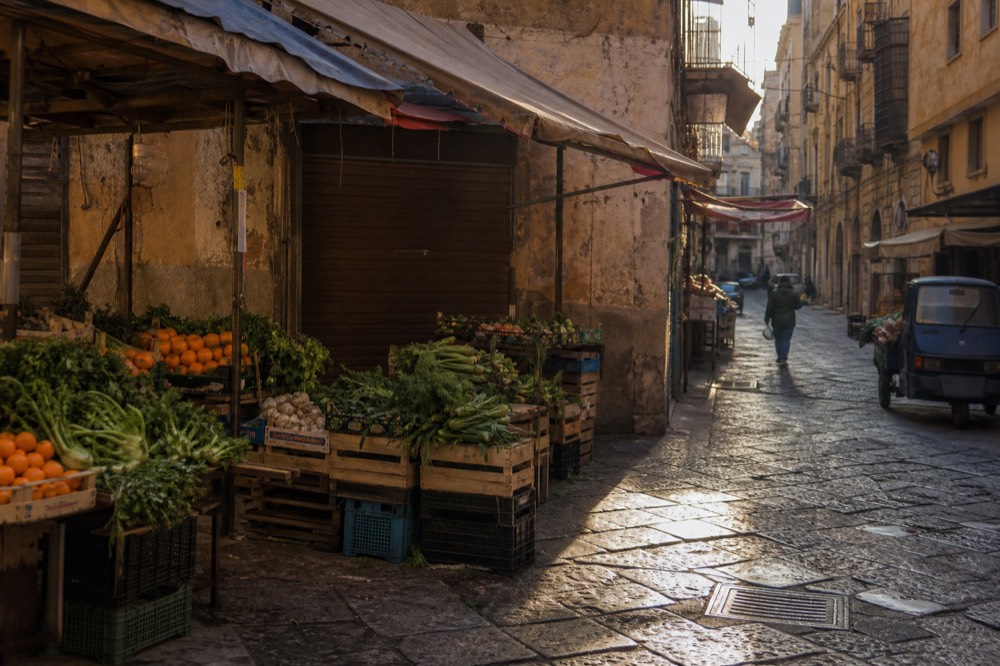
If you base yourself in or beside these quarters, a guided market walk on the first morning pays for itself in orientation. The Original Palermo Street Food & Market Tour by Streaty runs 3 hours from $81.64 per person, is rated 4.9 across 2,308 reviews, and caps departures at 12 spots, but it is non-refundable, so it belongs late in the booking process rather than early.
The budget-conscious alternative in the same territory is Do Eat Better's small-group walk, covered further down this page. For the full market picture across all four historic quarters, the guide to Palermo's four historic markets goes market by market, and the deeper dive on Ballarò handles that market's hours, history and current tensions in full. Palermo Food Tours exists precisely because the eating side of this city rewards a little planning, and the room you pick determines how much of it sits on your doorstep.
Is The Area Around Ballarò And The Vucciria Safe To Stay In?
Yes, with eyes open. Recent first-hand reports describe the Vucciria as loud until around 4am at weekends and Ballarò's side streets as poorly lit after dark, while the streets around Teatro Massimo and Politeama draw consistent praise as safer and quieter at night. Solo travellers in particular report feeling more comfortable basing themselves north of the old core.
The safety question comes up constantly for Palermo, and the honest answer splits into day and night. By day, the market quarters are simply busy city streets, and the practical nuisance travellers report most is pickpocketing in the crowded lanes, the same as any large European tourist city. One recent first-hand account describes stopping a pickpocket targeting an elderly man's bag in the old town, and the standard advice in reply was the standard advice everywhere: keep bags in front, stay aware.
By night the picture diverges. Reports from visitors and locals alike describe the Vucciria as crowded, dirty and loud until around 4am at weekends, and some recent return visitors recommend against sleeping there at all, suggesting the Kalsa or the streets near Teatro Massimo and Politeama instead. Ballarò's side streets draw a similar warning: labyrinthine, poorly lit and rundown after dark, with the advice to stick to corso Tukory and via Maqueda even in daytime. The area around the main train station is described as rough after dark in multiple first-hand reports.
None of this says do not stay in the centro storico. It says choose your street with the same care you would apply in Naples or Marseille, prefer the busier arteries over the picturesque alley, and if your priority is a quiet night's sleep before a day of eating, the streets north of the old core are the safer bet. The companion piece on where to avoid in Palermo treats this question in full.
How Much Does It Cost To Stay In Each Part Of Palermo?
Every visitor pays the city tourist tax on top of the room rate: under the rates in force since July 2025 it runs from €3 per night in a one-star hotel up to €5 in five-star, with €4 per person per night at B&Bs and short-term rentals, capped at four consecutive nights. Children under 12 and residents are exempt.
The tax is set by city council resolution n. 34 of 30 April 2025, effective 1 July 2025, and it applies per person per night with a four-night maximum. The band structure matters for the neighbourhood question because the centro storico is dominated by B&Bs, affittacamere and short-term rentals, all of which sit in the €4 band, while the Politeama and Libertà side carries more of the full-service hotels spread across the higher bands.
| Accommodation type | Tourist tax per person, per night |
|---|---|
| 1-star hotel | €3.00 |
| 2-star hotel | €3.50 |
| 3-star hotel | €4.00 |
| 4-star hotel | €4.50 |
| 5-star hotel | €5.00 |
| B&B, short-term rental, case vacanze | €4.00 |
Room rates themselves are a different matter, and this site does not publish them: they swing with season and demand, and the honest advice is to check live listings for your dates. What can be said firmly is structural. The centro storico offers the widest supply of small, inexpensive rooms inside old buildings, some of them atmospheric and some of them damp, and the reviews are worth reading closely. Politeama and Libertà offer more mid-range and business-grade consistency. Borgo Vecchio sits between the two on price and below both on polish.
One more rental-specific point that most guides miss: since 1 January 2025, every short-term let and tourist accommodation in Italy must carry a national CIN identification code, displayed on the property itself and in every advertisement. If a centro storico listing shows no CIN, that is a reason to keep looking, and it is a check that costs you nothing.
Where Should You Stay In Palermo Without A Car?
Stay in the historic centre and skip the car. Palermo's ZTL restricts driving in the old core by day on weekdays and at night at weekends, first-hand car-free trip reports describe the buses and trains as reliable and cheap, and Monreale and Cefalù are both reachable without one. A hire car only earns its cost for western vineyard day trips.
The ZTL, the limited traffic zone, is the structural fact that makes the centro storico a pedestrian proposition. The summer timetable in force until 31 October 2026 runs Monday to Thursday 08:00 to 20:00, Friday 08:00 to 24:00, Saturday from midnight to 06:00 and again 20:00 to 24:00, and Sunday from midnight to 06:00. The winter schedule differs, so check the city's police notice page before you drive anywhere near the old core. In practice, a car parked at your B&B inside the ZTL is a liability, and a car parked outside it is a walk away from your room anyway.
The car-free reports are unusually positive for an Italian city. Travellers who spent a full week in Palermo without a vehicle describe buses to the beach at Mondello, trains to Cefalù and buses to Monreale as workable and inexpensive, with one six-day trip report noting that trains and buses ran on time throughout. The regional rail line to Agrigento is being replaced by buses between 15 May and 30 September 2026 due to infrastructure works, which is worth knowing if a southern day trip is on your list.
For the days you want to go further than the trains reach, guided day trips solve the car question entirely. The Erice and Marsala Salt Pans tour in the selection above runs 9 hours from $131.7 per person with free cancellation up to 24 hours, and it often sells out. And for the days you stay in the city, a walking food tour is the natural no-car activity: Do Eat Better's small-group street food walk runs 3 hours from $52.06 per person, is rated 4.9 across 1,355 reviews, caps groups at 12, and carries free cancellation up to 24 hours, which suits a car-free plan where you can shift the whole day if the weather turns.
Does The Season Change Which Part Of Palermo You Should Choose?
Yes. July and August average highs of 29.8 and 30.5 degrees and the July Festino hands the historic centre to processions on the 14th and 15th, so an air-conditioned room away from the loudest squares matters more than the neighbourhood itself. May, June and September combine highs of 23 to 27.5 degrees with few rain days, and any area works.
The World Meteorological Organization's climatological normals for Palermo make the case plainly. May averages a 23.3 degree high with 4.1 rain days, June 27.2 with 1.9, September 27.5 with 5.4. Those are the walking-tour months, and in them the centro storico is at its best: the markets are in full swing, the evenings are warm enough for the Vucciria's outdoor scene, and the noise is part of the charm rather than a July endurance test.
| Month | Average daily high | Average rain days | What it means for your base |
|---|---|---|---|
| May | 23.3 C | 4.1 | Any area works; market mornings are pleasant |
| June | 27.2 C | 1.9 | Any area works; book air conditioning anyway |
| July | 29.8 C | 1.2 | Festino processions on 14 and 15 July; expect crowds |
| August | 30.5 C | 2.4 | Hottest month; a quieter, air-conditioned base earns its keep |
| September | 27.5 C | 5.4 | Strong all-round month for the old core |
| December | 15.8 C | 12.0 | Wettest month; short daylight, so morning markets matter more |
July deserves its own warning even beyond the heat. The Festino di Santa Rosalia, the city's biggest annual event, puts its main procession on 14 July, with the relics procession through the historic centre on the 15th, moving along Corso Vittorio Emanuele, the Quattro Canti and Piazza Marina, which is to say directly through the ground a centro storico food walk covers. It is a spectacular thing to see and a difficult thing to sleep through, and it is the one week where the Politeama side clearly wins the room decision.
Winter flips the logic. Mid-January gives Palermo under ten hours of daylight, with the light gone before 17:15, so the morning markets effectively are the day, and a room beside Ballarò or the Capo puts you outside while the stalls are actually trading. December is the wettest month on the normals, 123.7 mm across 12 rain days, so the indoor options around Politeama start looking better again.
The overall shape of the decision, then: food-first travellers and first-timers should sleep inside the old core, near the Capo if street food is the mission and near Ballarò if market atmosphere is, accepting noise and grit as the price. Sleep-first travellers, families and anyone visiting in July or August should take Politeama or Libertà and ride the bus down. And whichever you choose, the eating is close enough that a bad room decision costs you a walk, not a day.
The recurring questions about Palermo's neighbourhoods come down to five things: the best base for a first visit, safety at night in the market quarters, the historic centre versus Politeama trade-off, whether a car helps or hurts, and the tourist tax on top of the room rate. Each answer below restates the position this page takes, so you can check the one that matches your trip without rereading the whole guide.
Common Questions About Where To Stay In Palermo
Which Part Of Palermo Is Best To Stay In?
For a food-focused first visit, the historic centre between the Capo market and Teatro Massimo: walkable to Ballarò, the Vucciria and the cathedral, and busy enough at night to feel safe. For quieter, more polished nights, Politeama and Libertà, a short bus ride from the old city.
Is Palermo safe to walk around at night?
By day the market quarters are busy, ordinary city streets, with pickpocketing the main reported nuisance. At night, first-hand reports describe the Vucciria as loud until around 4am at weekends, Ballarò's side streets as poorly lit, and the area around the station as rough after dark, while the streets near Teatro Massimo and Politeama draw consistent praise as safer and quieter.
Is it better to stay in the historic centre or near Politeama?
It depends what you are optimising for. The centro storico puts the markets, cathedral and street food on your doorstep at the cost of noise and grit. Politeama and Libertà offer sleep, comfort and consistency at the cost of a bus ride or a long walk to the old core.
Do I need a car if I stay in Palermo?
No. The old core sits inside a ZTL that restricts daytime driving on weekdays and night driving at weekends, and car-free trip reports describe the buses and trains as reliable and cheap, with Monreale and Cefalù reachable without a car. A hire car only earns its cost for western vineyard day trips.
How much is the tourist tax in Palermo?
Under the rates in force since July 2025, from €3 per person per night in a one-star hotel up to €5 in a five-star, and €4 per person per night at B&Bs and short-term rentals, capped at four consecutive nights. Children under 12 and residents are exempt.